Pruning is more than a cosmetic gardening task; it is a foundational practice that directly influences plant health, structure, and longevity. When done correctly, pruning helps plants resist disease, grow more efficiently, and maintain an attractive shape that complements the surrounding landscape. It also plays a role in managing plant size, preventing overcrowding, and reducing safety risks caused by weak or overextended branches. Whether you manage a small home garden or larger plantings, understanding why, when, and how to prune allows you to make informed decisions that support long-term growth rather than causing unintended damage.
Why Is Pruning Important for My Plants?
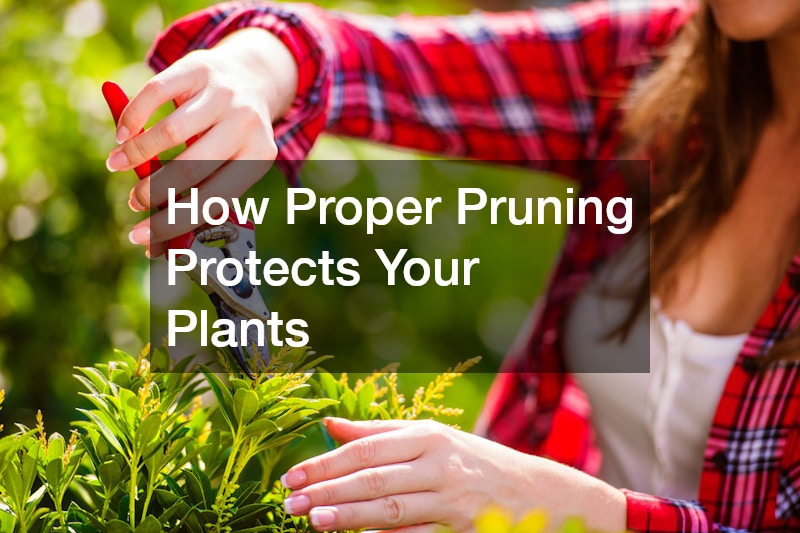
One of the primary benefits of pruning is the removal of dead, diseased, or damaged branches. These weakened areas can harbor pests and pathogens that spread quickly throughout a plant if left unaddressed.
By selectively removing compromised growth, you improve air circulation and light penetration, which creates conditions that discourage fungal infections and rot. Pruning also reduces moisture buildup within dense canopies, further limiting disease development. Regular inspection during pruning allows gardeners to identify issues early, improving the plant’s ability to recover and maintain overall vigor.
Strategic pruning encourages plants to direct energy toward healthy branches rather than sustaining excess or poorly structured growth. Removing crossing, rubbing, or inward-growing branches reduces internal stress and improves structural balance. This process supports stronger branch unions and helps plants develop a more resilient framework. Over time, properly pruned plants are better equipped to withstand wind, heavy rain, and seasonal stress. Consistent pruning also promotes more uniform growth, resulting in plants that are both healthier and easier to maintain.
For fruit-bearing trees and shrubs, pruning directly affects both yield quality and consistency. Thinning excess branches allows sunlight to reach interior growth, which improves fruit color, size, and ripening. Better airflow also reduces the likelihood of fungal diseases that can damage crops. By focusing resources on fewer branches, plants produce higher-quality fruit while reducing breakage caused by excess weight. Over multiple seasons, this approach supports more predictable harvests and healthier fruiting wood.
When Is the Best Time to Prune Plants?
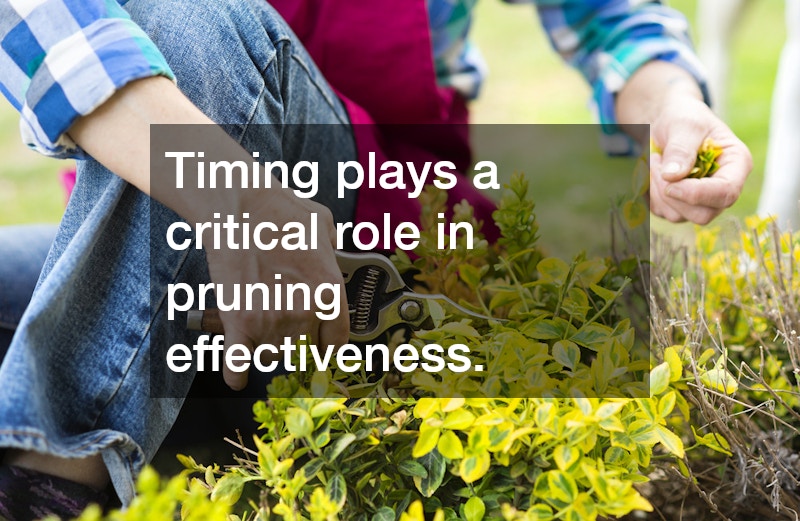
Timing plays a critical role in pruning effectiveness. Late winter or early spring is ideal for many deciduous plants because their structure is visible and energy reserves are intact. Pruning during dormancy minimizes stress and supports strong regrowth. Summer pruning is useful for controlling size and directing growth, while fall pruning is generally avoided due to slower healing and higher disease risk. Understanding seasonal cycles helps prevent setbacks caused by poorly timed cuts.
Plants often provide clear indicators when pruning is necessary. Dead branches, abnormal growth patterns, sap leakage, or discolored foliage can signal internal problems. Excessive density, uneven canopies, or branches interfering with structures are also signs that intervention is needed. Addressing these issues promptly prevents further decline and reduces the risk of long-term damage.
Evergreens typically require less pruning than deciduous plants. Light trimming to remove damaged or errant branches is usually sufficient. Because many evergreens do not regenerate from old wood, careful planning is essential. Over-pruning can permanently affect shape and density, making restraint especially important.
How Do I Properly Prune My Plants?
Clean, sharp tools are essential for effective pruning. Hand pruners are ideal for small branches, while loppers and pruning saws handle larger cuts. Using the correct tool prevents tearing and reduces wound size, allowing plants to heal more efficiently. Regular cleaning also prevents disease transmission between plants.
Different techniques serve different purposes. Thinning improves airflow and structure, heading controls size and density, and deadheading encourages continued flowering. Selecting the appropriate method based on plant species and growth habit ensures pruning supports natural development rather than working against it.
Safety should always be a priority during pruning. Wear protective gear, use stable footing, and avoid overreaching. After pruning, monitor plants for signs of stress or infection. Large or complex pruning jobs, especially involving mature trees, may warrant consultation with an arborist to ensure both plant health and personal safety are protected.
Pruning is an indispensable part of plant care that supports health, structure, and productivity when performed with intention and knowledge. By understanding timing, technique, and plant-specific needs, gardeners can promote resilient growth and long-term beauty. Thoughtful pruning practices reduce disease risk, improve performance, and help plants adapt to changing conditions. When combined with proper tools and professional guidance when needed, pruning becomes a powerful tool for maintaining thriving landscapes year after year.