A backyard has the potential to function as one of the most valuable living spaces on a property, but that only happens when it is designed and maintained with purpose. Many homeowners invest in individual features like seating areas, gardens, or play spaces without considering how everything works together as a complete environment. The result is often a yard that looks attractive but feels disconnected, underused, or difficult to navigate.
Usability in outdoor spaces is not defined by size or budget. Instead, it depends on how effectively the space supports real-life activities such as relaxing, entertaining, cooking, moving between zones, and maintaining the property over time. When a backyard is planned with intention, it becomes an extension of the home rather than a separate or neglected area.
This guide breaks down the essential features that contribute to a more functional backyard, focusing on layout, preparation, structural elements, boundaries, and long-term durability.
Designing a Backyard That Supports Daily Living
A usable backyard begins with a thoughtful approach to organization and flow. Without a clear plan, outdoor spaces often become fragmented—filled with features that don’t relate well to one another or support everyday use.
Effective planning starts with understanding how the space will actually be used. Instead of focusing on decoration first, homeowners benefit from thinking about movement, comfort, and purpose.
Key planning priorities include:
- Identifying primary uses such as dining, relaxing, gardening, or recreation
- Determining how often each area will be used throughout the year
- Planning for both small daily use and larger gatherings
- Considering seasonal changes in sunlight, shade, and weather patterns
A strong landscape design approach focuses on shaping the entire yard into coordinated zones. These zones should feel distinct but still connected through pathways, sightlines, and material choices.
Practical ways to improve layout efficiency:
- Group related activities together (e.g., cooking and dining areas)
- Keep high-traffic pathways direct and unobstructed
- Use plantings and structures to guide movement naturally
- Avoid placing too many focal points in one area
Other important considerations include visual balance and long-term adaptability. A backyard should be able to evolve as needs change, whether that involves adding seating, expanding garden space, or adjusting for family growth.
When design is done well, the backyard feels intuitive—people naturally know where to go and how to use each area without confusion or effort.
Preparing the Ground for Long-Term Stability
Before any meaningful outdoor improvements can be made, the condition of the land itself must be addressed. A backyard may look usable on the surface, but underlying issues such as poor grading, drainage problems, or overgrown vegetation can significantly limit long-term performance.
One of the most important early steps is evaluating how water moves through the property. Poor drainage can damage patios, weaken foundations, and create unusable muddy areas.
Common site issues include:
- Water pooling after rainfall
- Uneven or sloped terrain
- Soil erosion in high-flow areas
- Hidden debris or unstable ground
- Overgrowth that limits visibility and access
In cases where the terrain requires reshaping or stabilization, excavating contractors can help correct foundational issues before construction begins. Proper excavation ensures that future installations such as patios, walkways, or decks are built on stable, properly graded ground.
Equally important is clearing overgrown or neglected sections of the yard. Dense vegetation can make a property feel smaller than it actually is while also hiding usable space.
In these situations, forestry mulching services can be used to efficiently remove brush, small trees, and invasive growth while returning organic material back into the soil. This method helps:
- Open up previously inaccessible areas
- Improve sunlight exposure for future landscaping
- Reduce pest habitats and hidden debris
- Create a cleaner layout for planning new features
Benefits of proper site preparation:
- More accurate layout planning
- Reduced risk of future structural damage
- Improved drainage and soil stability
- Increased usable square footage
When the ground is properly prepared, every improvement that follows becomes more stable, functional, and long-lasting.
Building Comfortable Outdoor Living Areas
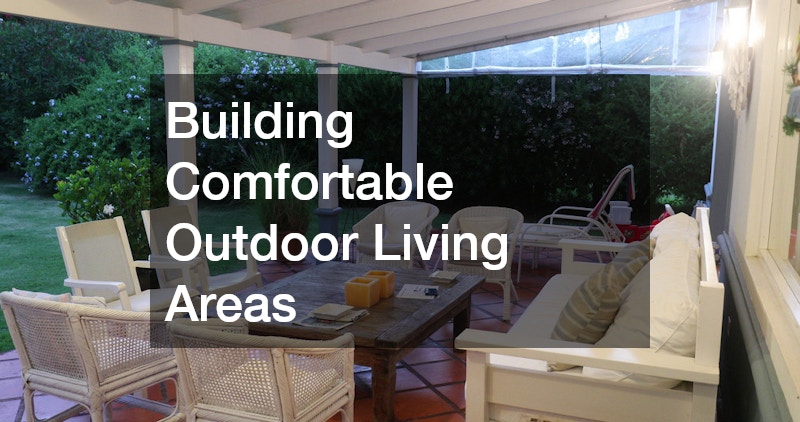
Outdoor living areas are often the centerpiece of a usable backyard. These spaces support relaxation, dining, and social gatherings, making them essential for everyday enjoyment.
The success of an outdoor living area depends heavily on location. A poorly placed patio can feel too hot, too exposed, or disconnected from the rest of the home.
Important placement considerations include:
- Proximity to kitchen or indoor dining spaces
- Sun and shade exposure throughout the day
- Wind direction and weather protection
- Privacy from neighboring properties
- Natural flow between indoor and outdoor zones
Once placement is determined, material selection becomes the next critical step. Durable surfaces are essential because outdoor living areas experience constant exposure to weather, foot traffic, and furniture movement.
Common material options include:
- Concrete for durability and affordability
- Natural stone for aesthetic appeal
- Pavers for design flexibility
- Stamped surfaces for decorative finishes
A professional patio installation ensures that the base layers, drainage, and surface materials are properly constructed. Without this foundation, even high-quality materials can shift or degrade over time.
Working with experienced hardscape patio installers can help homeowners make informed decisions about layout, durability, and design consistency.
Features that improve usability:
- Built-in seating walls for flexible gathering
- Fire pits for year-round use
- Outdoor lighting for evening visibility
- Defined zones for dining and lounging
- Space for safe movement around furniture
A well-designed outdoor living area becomes a natural extension of the home, supporting both everyday use and special occasions.
Creating Elevated Spaces for Comfort and Function
Elevated outdoor spaces offer unique advantages, especially for properties with uneven terrain or limited ground-level usability. They also help define separate activity zones while improving views and airflow.
When deciding whether an elevated structure is appropriate, several factors should be considered:
- Slope or unevenness of the yard
- Desired elevation for views or privacy
- Connection to indoor living areas
- Space requirements for furniture and movement
Deck structures can significantly improve how a backyard is used, but only when they are properly designed for the property’s conditions.
Working with experienced deck contractors ensures that the structure is safely built, properly supported, and suited to long-term use.
Design features that improve functionality include:
- Multi-level layouts for zoning different activities
- Integrated seating for efficient space use
- Shade structures to improve comfort in warm weather
- Built-in storage solutions for outdoor equipment
- Railings that balance safety with visibility
Over time, however, outdoor structures require maintenance. Exposure to weather, temperature changes, and moisture can lead to wear and deterioration.
Signs that maintenance may be needed include:
- Soft or rotting boards
- Loose connections or shifting sections
- Visible cracking or warping
- Instability in railings or support points
Timely deck repairs help extend the lifespan of the structure and maintain safety. Addressing small issues early is significantly more cost-effective than full replacement.
Defining Boundaries for Privacy and Structure
Improving Access and Exterior Durability
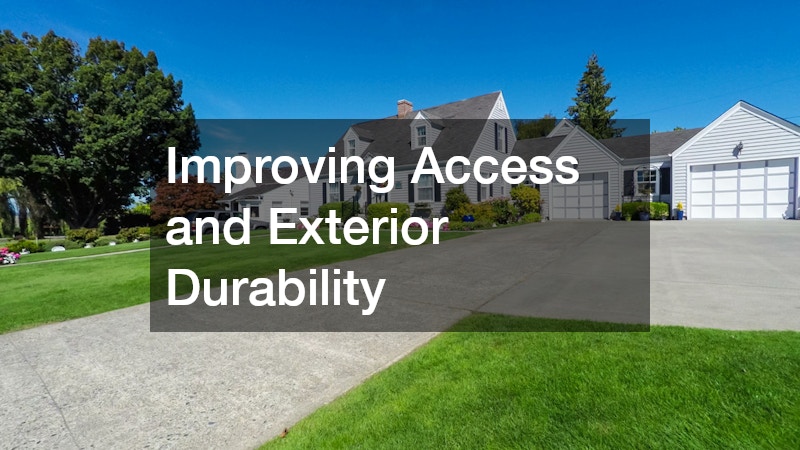
Even the most well-designed backyard loses functionality if access to and from the space is inconvenient. Movement between the home, driveway, and outdoor areas should feel smooth, safe, and intuitive. When pathways and entry points are not properly maintained or planned, homeowners naturally begin to avoid using certain areas, which reduces the overall value and enjoyment of the space over time.
One often overlooked factor is the condition of paved surfaces. Over time, exposure to sun, rain, and temperature changes can cause gradual deterioration that is easy to ignore in the early stages but becomes more serious as it progresses. Small surface imperfections may seem cosmetic at first, but they often indicate deeper wear in the underlying material that can worsen quickly if left untreated.
Routine driveway sealcoating helps protect surfaces by:
- Sealing small surface cracks before they expand
- Preventing water penetration into pavement layers
- Reducing damage from UV exposure
- Extending overall surface lifespan
- Improving visual curb appeal
Beyond protection, sealcoating also helps maintain a smoother and more uniform surface, which improves both safety and usability. A well-maintained driveway reduces trip hazards, supports easier vehicle movement, and creates a more polished transition between the street, garage, and backyard areas. Over time, this kind of preventative maintenance is significantly more cost-effective than repairing or replacing damaged pavement.
Maintaining these surfaces ensures that access routes remain functional and visually consistent with the rest of the property. Consistency in exterior surfaces also contributes to a more intentional overall design, making the entire property feel cohesive rather than patched together or unevenly maintained.
Garage access is another important part of overall usability. The garage often serves as a primary entry point, storage area, and transition space between indoor and outdoor environments. Because it is used so frequently, even minor inefficiencies in its operation can have a noticeable impact on daily routines.
A professional garage door installer can help improve:
- Ease of daily entry and exit
- Safety and security features
- Insulation and energy efficiency
- Automation and smart access systems
- Long-term operational reliability
Upgrades or adjustments in this area can also improve noise reduction, especially in homes where the garage is attached to living spaces. Additionally, modern systems often provide better sealing against weather conditions, which helps protect stored items and maintain indoor temperature stability.
When access points function properly, they support smoother movement between all areas of the property, reinforcing the connection between indoor and outdoor living spaces. Over time, this seamless flow encourages more frequent use of the backyard, making the entire property feel more functional, comfortable, and intentionally designed.
A truly usable backyard is not created by adding random features, but by building a system where every element supports comfort, movement, and long-term function. From layout planning and site preparation to structural features, boundaries, and access points, each component plays a role in shaping how the space is experienced.
When these elements work together, the backyard becomes more than an outdoor area—it becomes a practical, enjoyable extension of daily life. Thoughtful planning and consistent maintenance ensure that the space continues to serve its purpose for years, adapting easily as needs change over time.