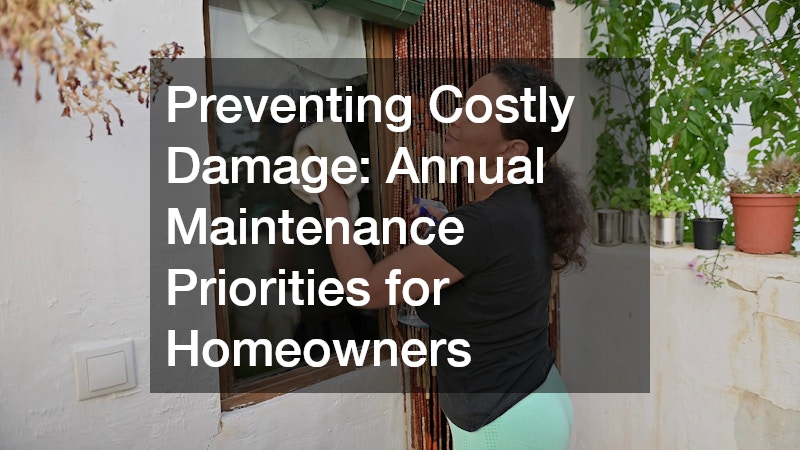
Owning a home means more than just enjoying the space, it means staying ahead of the small problems before they become expensive emergencies. Many of the most costly repairs homeowners face, from roof leaks to foundation damage, start as minor issues that go unnoticed for months or even years. A proactive annual maintenance routine can save thousands of dollars and countless headaches down the road. This guide breaks down the priority areas every homeowner should inspect and maintain each year, along with tips on when to call in a professional.
Inspecting Your Roof Before Small Leaks Become Big Problems
Your roof is your home’s first line of defense against the elements, yet it’s often the most overlooked part of a maintenance checklist. Missing shingles, cracked flashing, or worn sealant around vents can let water seep in long before you notice a stain on your ceiling. An annual inspection, ideally in spring and fall, can catch these issues while they’re still cheap to fix.
If your roof is more than ten years old or you notice granules collecting in your gutters, it may be time to bring in experienced roofers for a professional assessment. They can identify structural concerns that aren’t visible from the ground and recommend whether a repair or full replacement makes more financial sense.
- Check for curling, cracked, or missing shingles
- Look for daylight through the attic boards
- Inspect flashing around chimneys and skylights
- Clear debris from valleys and gutters
- Watch for sagging areas that suggest structural damage
Keeping Your Plumbing System Running Smoothly

Plumbing issues rarely announce themselves loudly at first; a slow drip under the sink or a slight drop in water pressure can be early warning signs of bigger trouble. Left unchecked, these small leaks can lead to mold growth, warped flooring, or even foundation damage over time. Making plumbing checks part of your annual routine helps you catch problems while they’re still minor.
Homeowners should test water heaters, inspect exposed pipes for corrosion, and run water through every fixture to check for unusual sounds or slow drainage. If you notice recurring clogs, low pressure, or discolored water, it’s worth scheduling a visit from a licensed plumber rather than relying on quick fixes. Catching a hidden leak early can prevent thousands of dollars in water damage restoration.
- Test the water heater’s temperature and pressure relief valve
- Inspect visible pipes for rust, corrosion, or moisture
- Check for slow drains, which often signal buildup
- Look under sinks for small leaks or water stains
- Flush sediment from the water heater tank annually
Caring for Mature Trees on Your Property
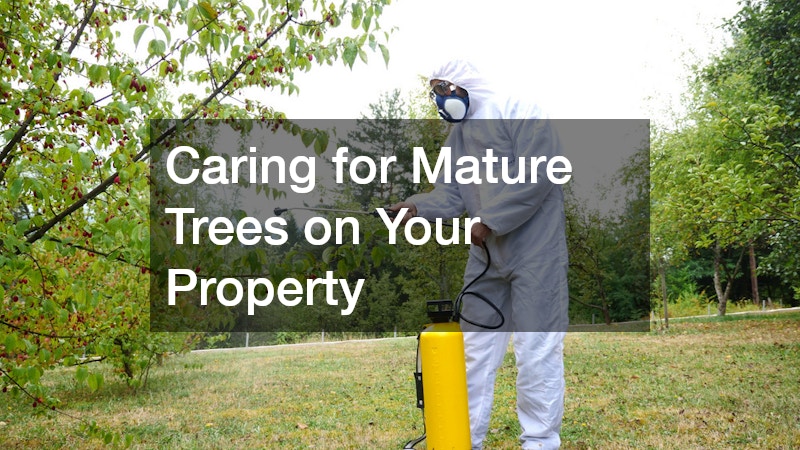
Trees add beauty and value to a property, but neglected limbs and root systems can pose serious risks to your home and safety. Dead branches can fall during storms, and roots can grow into pipes or crack foundations if left unmanaged. An annual visual inspection helps you spot warning signs like fungal growth, leaning trunks, or thinning canopies.
For large trees near your house or power lines, it’s worth hiring professional tree services rather than attempting risky trims yourself. Arborists can safely remove hazardous limbs, treat disease, and advise on whether a tree needs to come down entirely. Regular pruning also promotes healthier growth and reduces the chance of storm damage.
- Look for cracks, cavities, or fungal growth on trunks
- Check for leaning trees or exposed roots
- Trim branches that hang over the roof or power lines
- Watch for early signs of disease, like discolored leaves
- Schedule deadwood removal before storm season
Evaluating Fences for Safety and Curb Appeal

A fence does more than mark property lines, it provides privacy, security, and can even affect your home’s resale value. Wood fences are especially prone to rot, warping, and loose posts after years of exposure to moisture and sun. An annual walk-around lets you catch these issues before they turn into a full replacement project.
If you notice leaning sections, rusted hardware, or rotting posts, contacting a reputable fence company for repairs can extend the life of your fence significantly. Many companies also offer maintenance packages that include restaining or sealing, which helps protect wood fencing from future weather damage.
- Check for loose, leaning, or rotting posts
- Inspect gate hinges and latches for rust or damage
- Look for signs of insect damage in wood fencing
- Reseal or restain wood fences every two to three years
- Confirm fence lines haven’t shifted due to soil movement
Maintaining Decks for Long-Term Durability
Decks see heavy use during warmer months, which means they need regular attention to stay safe and structurally sound. Wood decks can develop splinters, warped boards, or weakened railings, while even low-maintenance composite decking can show wear at the seams and fasteners. A yearly inspection ensures your outdoor space remains safe for gatherings.
If you’re considering upgrading to a more durable material, working with experienced composite deck builders can give you a long-lasting alternative that resists rotting, splintering, and fading. These professionals can also inspect existing composite decks for hidden issues like moisture trapped beneath boards, which isn’t always visible during a casual walkthrough.
- Check railings and stairs for stability
- Look for popped nails or loose fasteners
- Inspect for soft spots or discoloration in wood decking
- Clean composite boards to prevent mold buildup
- Verify structural supports haven’t shifted or weakened
Protecting Patios and Outdoor Living Spaces

Patios take a beating from freeze-thaw cycles, heavy furniture, and constant foot traffic, which can lead to cracking, sinking, or uneven surfaces over time. In colder climates, water that seeps into tiny cracks can expand as it freezes, widening the gap by a fraction of an inch with each cycle until a hairline crack becomes a serious structural issue.
Small cracks might seem cosmetic at first, but they can widen and allow water to seep beneath the surface, eroding the base material and causing the pavers or slab to shift or sink. Uneven joints, gaps wider than a quarter-inch, or noticeable pooling after rain are all signs the base beneath your patio may be compromised.
Checking your patio annually—ideally in early spring after the last freeze—helps you catch these problems before they require a full replacement. Look closely at expansion joints, sealant condition, and any areas where furniture legs or grills have concentrated weight, since these spots tend to show wear first.
Each spring, inspect your patio for cracks wider than a quarter-inch, sunken or uneven pavers, and pooling water that lingers more than a few hours after rain—all signs that the surface or its base may be failing. If your patio has significant cracking, drainage issues, or an outdated design, consulting a patio contractor can help you determine whether a simple repair, a full re-grading, or a complete redesign is the better investment.
Cost matters too: patching a few cracked pavers might run under $500, while replacing a deteriorated concrete slab or regrading for drainage can climb into the thousands, so getting a professional assessment before problems worsen often saves money long-term.
For homeowners looking to expand their outdoor living space entirely, a backyard landscaping contractor can integrate patios with plantings, lighting, and seating areas for a more cohesive design. They can also advise on materials—like permeable pavers to reduce runoff or fire-resistant plantings near seating areas—that improve both durability and everyday enjoyment of the space.
- Inspect for cracks, sinking, or heaving sections, marking any wider than 1/4 inch for repair before winter freeze-thaw cycles make them worse
- Check for proper drainage away from the house, aiming for a slope of at least 1/4 inch per foot to prevent water pooling near the foundation
- Look for loose or shifting pavers, and re-sand joints with polymeric sand to keep them stable and weed-free
- Clean and reseal stone or concrete surfaces yearly, using a pressure washer on a low setting to avoid etching, then applying sealant on a dry, mild-temperature day
- Examine wood decking for soft spots, popped nails, or splintering boards that signal rot or insect damage
- Trim back overhanging branches and shrubs to reduce debris buildup and moisture retention on surfaces
- Consider redesigns that improve flow between indoor and outdoor spaces, such as flush-mounted thresholds or matching flooring materials
Keeping Your Lawn and Yard Healthy Year-Round
A well-maintained lawn does more than look nice, it also prevents erosion, improves drainage, and reduces the risk of pest infestations spreading toward your home. Bare patches, compacted soil, and overgrown shrubs can all contribute to bigger yard problems if ignored for too long. Annual aeration, fertilization, and pruning keep your landscape resilient through every season.
For homeowners who don’t have the time or equipment to manage larger properties, hiring professional landscaping services can ensure your lawn and garden beds receive consistent care throughout the year. These professionals can also help design irrigation systems that prevent water pooling near your foundation, addressing both aesthetic and structural concerns at once.
- Aerate compacted soil once or twice a year
- Trim shrubs and hedges away from siding and windows
- Check irrigation systems for leaks or clogged heads
- Remove dead plants and debris that attract pests
- Monitor for standing water that could indicate drainage issues
Refreshing Garden Beds With Seasonal Plantings
Garden beds require more than a one-time planting; they need seasonal attention to stay vibrant and to support healthy soil long term. Weeds, invasive roots, and depleted soil nutrients can weaken plants and make your yard more vulnerable to erosion. Rotating plantings and refreshing mulch each year helps maintain both appearance and plant health.
Spring and fall are the best windows for this work. In spring, clear out winter debris, test soil pH, and work in a couple inches of compost before adding new plants suited to the season’s sun and moisture patterns. In fall, cut back spent perennials, divide overcrowded bulbs, and plant cool-season varieties like pansies or ornamental kale that can tolerate dropping temperatures.
Mulch should be replenished annually, typically 2 to 3 inches deep, to suppress weeds, regulate soil temperature, and reduce water loss during dry spells. Rotating plant families—swapping heavy feeders like tomatoes with soil-restoring options like beans or clover in vegetable beds—prevents nutrient depletion and reduces pest buildup tied to a single species over time.
Visiting local garden centers each season is a great way to find plants suited to your specific climate and soil type, rather than guessing at what might survive. Staff can recommend hardy perennials like coneflowers or sedum for full-sun beds, or shade-tolerant options such as hostas and astilbe for tricky corners of the yard.
Many plant nurseries also offer guidance on companion planting, which can naturally deter pests and reduce the need for chemical treatments. Classic pairings—like marigolds alongside tomatoes or basil near peppers—help repel insects while improving overall bed health.
Taking advantage of this expertise can save you money on plants that might otherwise fail to thrive, since a $5 perennial that dies in the wrong soil is money wasted. Ask about soil pH testing kits or amendments, too, as correcting acidity issues before planting often costs less than replacing struggling plants later in the season.
- Refresh mulch annually to retain soil moisture, using a 2-3 inch layer to also suppress weeds and regulate soil temperature
- Rotate seasonal flowers to maintain color and health, swapping pansies or tulips in spring for heat-tolerant marigolds or zinnias in summer
- Test soil pH before adding new plants, since most flowering plants thrive in a 6.0-7.0 range and amendments like lime or sulfur can correct imbalances
- Ask about native species that require less maintenance, as they’re typically more drought-resistant and better adapted to local pests
- Replace struggling plants before they affect nearby greenery, checking for root rot or pest infestations that could spread through shared soil
- Space new plantings according to mature size to prevent overcrowding and reduce competition for nutrients and sunlight
Building a Simple Annual Maintenance Calendar
One of the easiest ways to stay on top of home maintenance is to create a simple calendar that breaks tasks down by season rather than trying to tackle everything at once. This approach spreads out costs, reduces overwhelm, and ensures nothing falls through the cracks. Even a basic spreadsheet or phone reminder system can make a significant difference in preventing costly surprises.
Start by listing major systems like roofing, plumbing, and structural elements, then add outdoor projects like trees, fences, and hardscaping. Assign realistic timeframes based on your climate, since regions with harsh winters or heavy storms may need more frequent checks. Reviewing this calendar each January helps you plan budgets and schedule professional inspections before problems arise.
- Spring: roof, gutters, and irrigation checks
- Summer: deck, patio, and lawn maintenance
- Fall: tree trimming and fence inspections
- Winter: plumbing checks and indoor system reviews
- Year-round: monitor for pests, leaks, and cracks
Staying ahead of home maintenance doesn’t require a complete overhaul of your schedule, just a consistent, seasonal approach to checking the systems and structures that matter most. By addressing small issues early, you protect both your investment and your peace of mind. Start with the areas outlined here, build a simple checklist, and don’t hesitate to call in professionals when a task requires specialized expertise. A little diligence today can prevent a very expensive problem tomorrow.