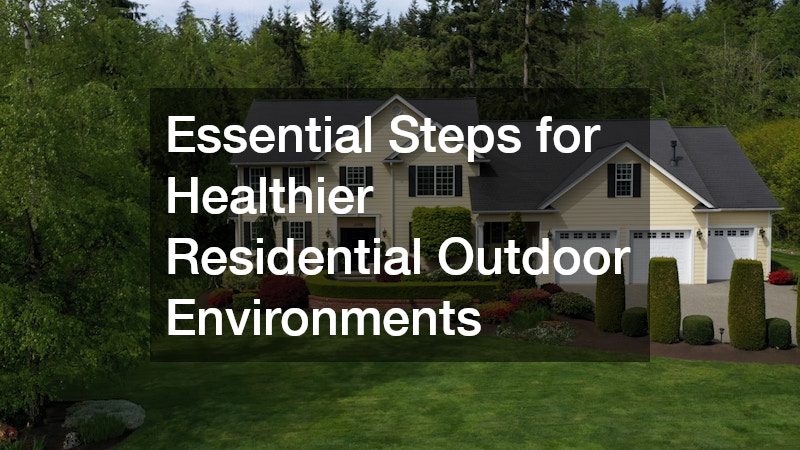
A healthy outdoor environment is more than just a visually appealing yard—it is a living system that directly affects the safety, comfort, and long-term value of a home. Many homeowners focus on surface-level appearance like grass color or flower beds, but overlook deeper structural and ecological issues that develop over time. Trees weaken, soil becomes compacted, drainage shifts, and small hazards slowly grow into costly problems.
Building a healthier outdoor space requires a proactive mindset. Instead of reacting to damage after it occurs, homeowners benefit from understanding how to maintain balance across plants, trees, soil, and overall landscape design. This includes knowing when to intervene, what warning signs to watch for, and when professional help is necessary.
The following sections provide a structured, practical approach to improving residential outdoor environments in a way that supports long-term safety, sustainability, and beauty.
Evaluating the Overall Condition of Your Property
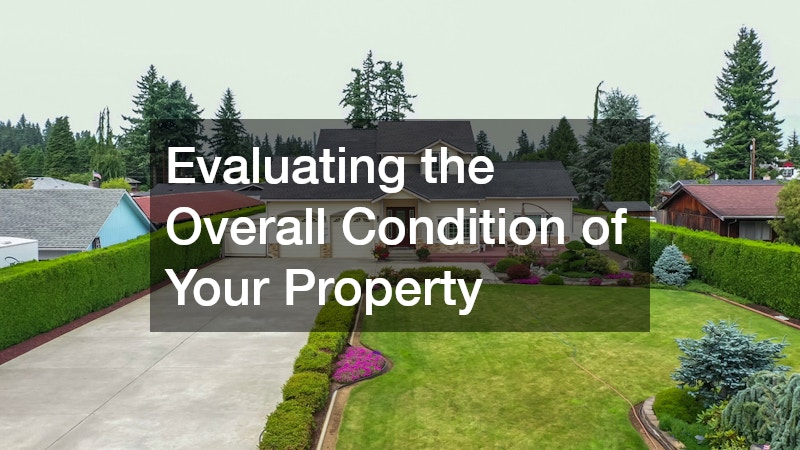
Before making improvements, it is important to understand the current condition of your outdoor space as a whole system rather than isolated parts. A structured walkthrough helps identify both visible and hidden issues that may worsen over time if left unaddressed. This evaluation should be done slowly and methodically, ideally from multiple angles of the property, including front yard, backyard, and perimeter edges where problems often go unnoticed.
Key areas to inspect include:
- Tree stability and canopy density
- Soil compaction and drainage patterns
- Signs of plant stress or disease
- Uneven ground or erosion spots
- Overcrowded planting areas
It is also helpful to observe how the landscape behaves after rainfall. Poor drainage, pooling water, or soil runoff can indicate deeper structural issues that may require changes to grading or planting layout. In addition, checking how sunlight moves across the yard throughout the day can reveal areas where plants are struggling due to excessive shade or overexposure.
During this evaluation stage, many homeowners realize the importance of consistent tree care, especially when long-term health and structural stability are considered. Trees often show early warning signs such as dead branches, peeling bark, fungal growth, or leaning growth patterns that gradually worsen over time. Ignoring these indicators can lead to larger safety concerns and reduced property value.
It is also valuable to consult local arborists when issues are unclear or when multiple warning signs appear at once. Their trained perspective helps identify risks that may not be obvious during a casual inspection, such as internal decay, compromised root systems, or pest infestations that are affecting overall tree health.
In some cases, more advanced assessment may be required, especially if trees are located near structures or utility lines. Professionals may recommend monitoring certain areas over time or taking preventive action before conditions worsen.
A thorough evaluation sets the foundation for all future improvements, ensuring that efforts are focused where they are needed most and preventing unnecessary costs or ineffective maintenance decisions later on.
Addressing Unsafe or Declining Trees
Trees that are damaged, diseased, or structurally unstable can pose serious risks to homes, people, and surrounding landscape features. Because trees often decline gradually, homeowners may not immediately recognize when a once-healthy tree has become a liability. Learning to identify these warning signs early is essential for maintaining a safe outdoor environment and preventing costly property damage.
In many cases, issues develop slowly beneath the surface. What appears to be a stable tree may actually be weakened internally by decay, pest activity, or compromised root systems. Regular tree care plays a major role in detecting these problems before they escalate, especially when combined with seasonal inspections and proper maintenance practices.
In some situations, full tree removal becomes the safest and most responsible option, especially when:
- The tree is leaning significantly toward structures
- Root systems are compromised or lifting from the soil
- Large sections of the tree are dead, hollow, or brittle
- Disease or infestation has spread beyond recovery
- Branch failure risk increases during wind or storms
When removal is necessary, hiring a professional tree removal company ensures the process is handled safely, efficiently, and with minimal disruption to surrounding areas. Large trees require specialized equipment, controlled cutting techniques, and careful planning to avoid damage to roofs, driveways, fences, or neighboring plants. Attempting this type of work without proper training can create serious safety hazards.
In more complex situations, emergency tree removal services may be required if a tree has already fallen or is at immediate risk of collapsing. Acting quickly in these scenarios helps prevent secondary damage and reduces liability risks for homeowners.
Proper decision-making at this stage also prevents future hazards and opens space for healthier landscaping opportunities. Removing a failing tree can improve sunlight distribution, reduce overcrowding, and allow for better long-term landscape design. It also creates an opportunity to reassess soil conditions, drainage flow, and plant placement so that the overall environment becomes more balanced and sustainable moving forward.
Maintaining Healthy Growth Through Strategic Cutting Practices
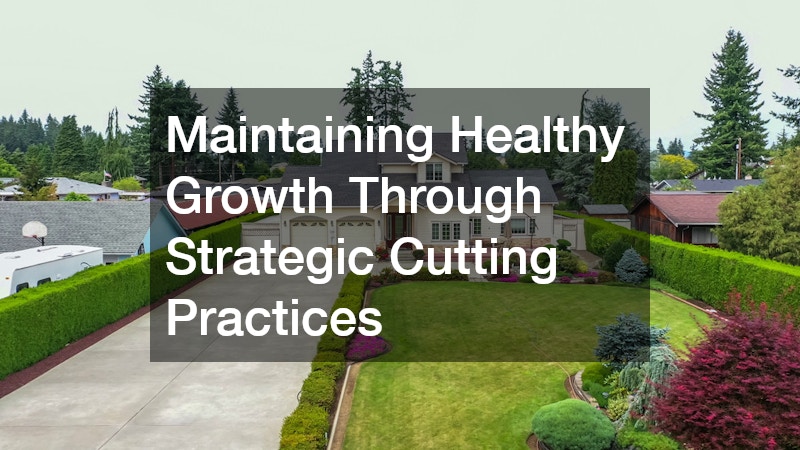
Proper trimming and maintenance play a critical role in shaping the long-term health of trees and surrounding vegetation. When done correctly, pruning improves structure, encourages healthy growth, and reduces the risk of falling branches that could damage property or endanger people. Strategic cutting is not just about appearance—it directly influences how well a tree withstands stress, disease, and changing weather conditions.
Effective tree trimming practices include:
- Removing dead or weak branches regularly to prevent decay from spreading
- Thinning dense areas to improve airflow and sunlight penetration throughout the canopy
- Shaping growth to maintain balance, symmetry, and long-term structural stability
- Avoiding over-cutting, which can stress the tree and slow recovery
When applied consistently, these practices form the foundation of responsible tree care. Healthy trimming routines also help reduce pest infestations, as many insects are attracted to decaying or overcrowded branches. Additionally, proper cuts encourage stronger branch development, which helps trees better support their own weight over time.
Tree care should also be adjusted seasonally. For example, certain species benefit from pruning during dormant periods, while others require light maintenance during active growth phases. Understanding these differences ensures that trimming efforts support rather than disrupt natural growth cycles.
Consistent tree care ensures that trees remain strong, stable, and more resistant to disease or storm damage. Neglecting maintenance often leads to overgrowth, weak branch structure, and uneven weight distribution, all of which increase the likelihood of structural failure during severe weather conditions such as high winds or heavy snowfall.
Homeowners should prioritize regular assessments instead of waiting for visible problems to appear. Overgrown canopies, crossing branches, and uneven growth patterns are often early indicators that maintenance is overdue. Avoiding random or excessive cutting is equally important, as improper pruning can create wounds that expose trees to disease or long-term structural weakness.
When approached thoughtfully and consistently, strategic cutting becomes one of the most effective tools for maintaining a safe, balanced, and healthy outdoor environment.
Improving Landscape Structure With Professional Insight
A well-balanced outdoor environment requires more than just plant maintenance—it involves thoughtful design and expert insight into how all elements interact. Professional guidance can significantly improve long-term results.
Engaging arborist services helps homeowners understand the deeper health of their trees and surrounding vegetation. These experts evaluate structural integrity, diagnose disease, and recommend appropriate long-term care strategies.
In addition, integrating landscaping services ensures that the entire outdoor space functions cohesively. This includes plant selection, layout optimization, drainage planning, and aesthetic improvements that enhance both beauty and usability.
Key benefits of professional involvement include:
- Improved safety through expert risk assessment
- Better long-term plant and tree health
- Increased property value and curb appeal
- More efficient use of outdoor space
Preparing for Environmental Stress and Severe Weather
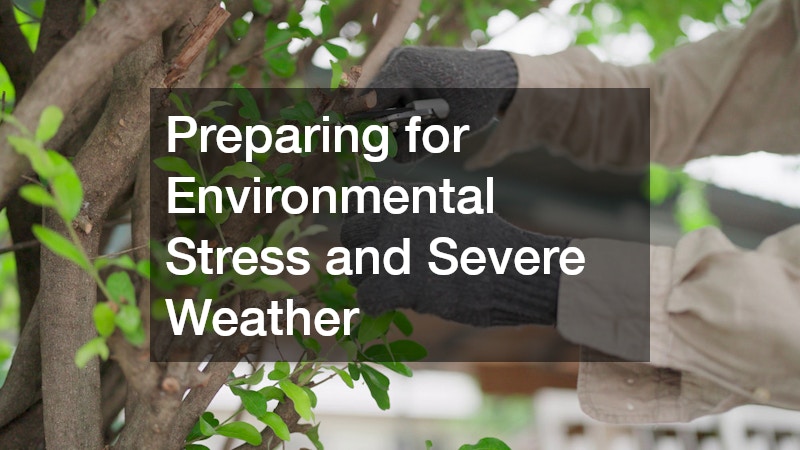
Weather events can have a significant impact on residential outdoor environments. Strong winds, heavy rain, and snow accumulation can weaken trees and damage landscaping structures.
Proactive preparation includes monitoring vulnerabilities and addressing them before storms occur. In some cases, storm damage services are needed to assess and repair affected areas after severe weather has passed.
Homeowners should also be aware of situations that require emergency tree removal services, especially when fallen or unstable trees pose immediate risks to homes, vehicles, or power lines.
Preparation steps include:
- Removing weak or dead branches before storm season
- Reinforcing young or unstable trees
- Clearing debris that may become airborne hazards
- Identifying potential fall zones near structures
Being proactive significantly reduces the likelihood of costly damage and safety risks during extreme weather conditions.
Building a Consistent Maintenance Strategy
Long-term outdoor health depends on consistency rather than occasional intervention. A structured maintenance plan helps ensure that trees, plants, and soil remain in optimal condition throughout the year.
Relying on local tree services allows homeowners to maintain regular upkeep such as pruning, inspections, and seasonal adjustments. These services help keep outdoor environments stable and well-maintained.
In addition, working with local arborists provides ongoing professional insight into tree health and structural risks. Their continued monitoring helps detect problems early, before they become serious hazards.
A strong maintenance routine should include:
- Seasonal inspections of trees and plants
- Scheduled pruning and shaping
- Soil and drainage evaluations
- Removal of hazardous growth or debris
Consistency is key to preventing long-term deterioration.
Strengthening Soil and Enhancing Plant Balance
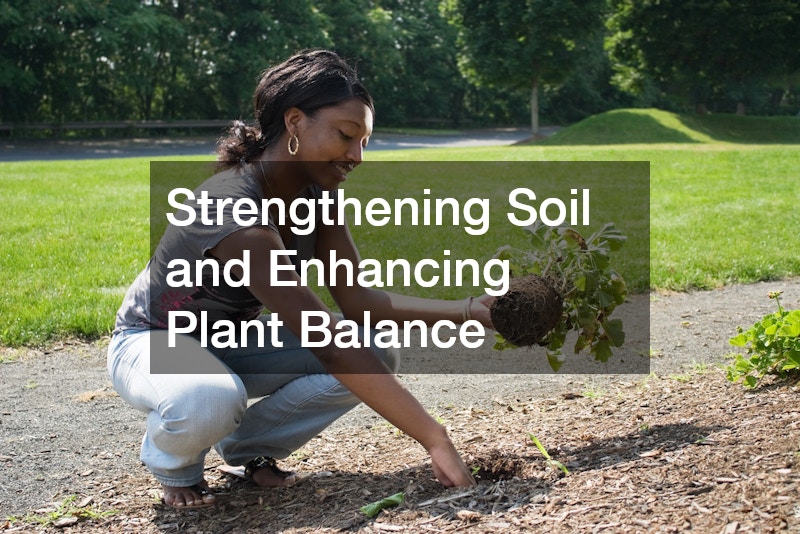
Healthy outdoor environments depend heavily on soil quality and plant balance. When soil becomes compacted or nutrient-depleted, plant growth suffers, and trees may become unstable over time.
Professional landscaping services can help restore balance by improving soil conditions, optimizing plant placement, and ensuring proper drainage. These improvements support both aesthetics and long-term environmental health.
Proper tree care also plays a role in maintaining ecosystem balance. Healthy trees support surrounding vegetation by providing shade, stabilizing soil, and contributing to moisture regulation.
Practical improvements include:
- Aerating compacted soil to improve root growth
- Adding nutrient-rich organic matter
- Reducing overcrowding between plants and trees
- Improving water flow and drainage paths
A balanced landscape is more resilient and requires less corrective maintenance over time.
Responding Quickly to Outdoor Emergencies
Outdoor emergencies can occur suddenly, especially during severe weather events. Fallen trees, broken branches, and unstable structures require immediate attention to prevent further damage or injury.
In these situations, emergency tree removal services are essential for quickly addressing hazards and restoring safety to the property. Delayed action can lead to increased damage or dangerous conditions.
After storms, storm damage services help assess the extent of destruction and provide necessary cleanup and restoration. This may include debris removal, structural stabilization, and risk mitigation.
Homeowners should be prepared to:
- Avoid unsafe outdoor areas after storms
- Contact professionals immediately for hazardous conditions
- Document visible damage for repair planning
- Prioritize safety over property cleanup
Quick response is critical in minimizing long-term consequences.
Enhancing Long-Term Property Value Through Outdoor Planning
A well-maintained outdoor environment significantly increases property value and overall curb appeal. Buyers and appraisers often place strong emphasis on landscape condition when evaluating a home.
Working with a tree removal company can help eliminate hazardous or unattractive trees that detract from the property’s appearance. This creates space for healthier and more visually appealing landscape designs.
Ongoing support from local tree services ensures that outdoor spaces remain in top condition through regular maintenance and care.
Long-term benefits include:
- Increased market value
- Improved first impressions for visitors and buyers
- Reduced risk of costly structural damage
- More usable and attractive outdoor living space
Strategic planning ensures that outdoor environments remain both functional and appealing over time.
Creating a Long-Term Outdoor Health System
Sustainable outdoor environments require ongoing attention, planning, and professional support. Combining expert input with consistent maintenance leads to stronger, safer, and more attractive properties.
Using arborist services helps ensure that trees remain structurally sound and healthy throughout their lifespan. Regular evaluations prevent small issues from becoming major hazards.
Routine tree trimming is also essential for maintaining balance, encouraging growth, and preventing overextension of branches that could become dangerous during storms.
A long-term system should focus on:
- Regular health assessments
- Preventive maintenance rather than reactive fixes
- Seasonal planning for growth and weather changes
- Professional support when needed
This structured approach ensures that outdoor environments remain stable, safe, and visually appealing year after year.
Creating a healthier residential outdoor environment is an ongoing process that combines observation, maintenance, and timely intervention. When homeowners understand how different elements of their landscape interact, they are better equipped to prevent hazards, improve aesthetics, and extend the life of their outdoor spaces.
By taking a proactive approach and prioritizing consistent care, it becomes possible to build a safer, more resilient, and more enjoyable environment around the home—one that continues to improve with time rather than deteriorate.