Key Takeaways
- Keep the backyard layout simple and leave open areas to create a more spacious feel.
- Use vertical planters, trellises, and wall-mounted storage to maximize limited ground space.
- Choose compact, multifunctional furniture that fits comfortably without blocking walkways.
- Use light colors, mirrors, and reflective surfaces to improve brightness and create visual depth.
- Add layered outdoor lighting to highlight key features and make the yard more inviting after dark.
- Select plants that suit your space and climate, and keep pathways and boundaries neat.
- Choose flexible features and maintain outdoor areas regularly to preserve comfort, safety, and functionality.
A small backyard can still feel open, comfortable, and inviting with the right design choices. Even if you have limited square footage, you can create an outdoor space that feels larger by choosing suitable furniture, using clever layouts, and making the most of vertical space. You do not need a large budget or a complete renovation to improve how your yard looks and functions.
The key is to avoid overcrowding the space and give every area a clear purpose. Thoughtful landscaping, smart lighting, and a few visual tricks can make a compact backyard feel more spacious without removing the features you enjoy. Whether you want a quiet place to relax, a small garden, or an area for entertaining guests, simple changes can help you get more from your outdoor space.
Here are practical small backyard design ideas that can make your yard look bigger while keeping it functional, attractive, and easy to maintain.
1. Choose a Simple and Open Layout
One of the easiest ways to make a small backyard feel larger is to keep the layout simple. Too many separate areas, decorations, and pathways can make the yard feel crowded. Instead, think about how you want to use the space and arrange the main features around those activities.
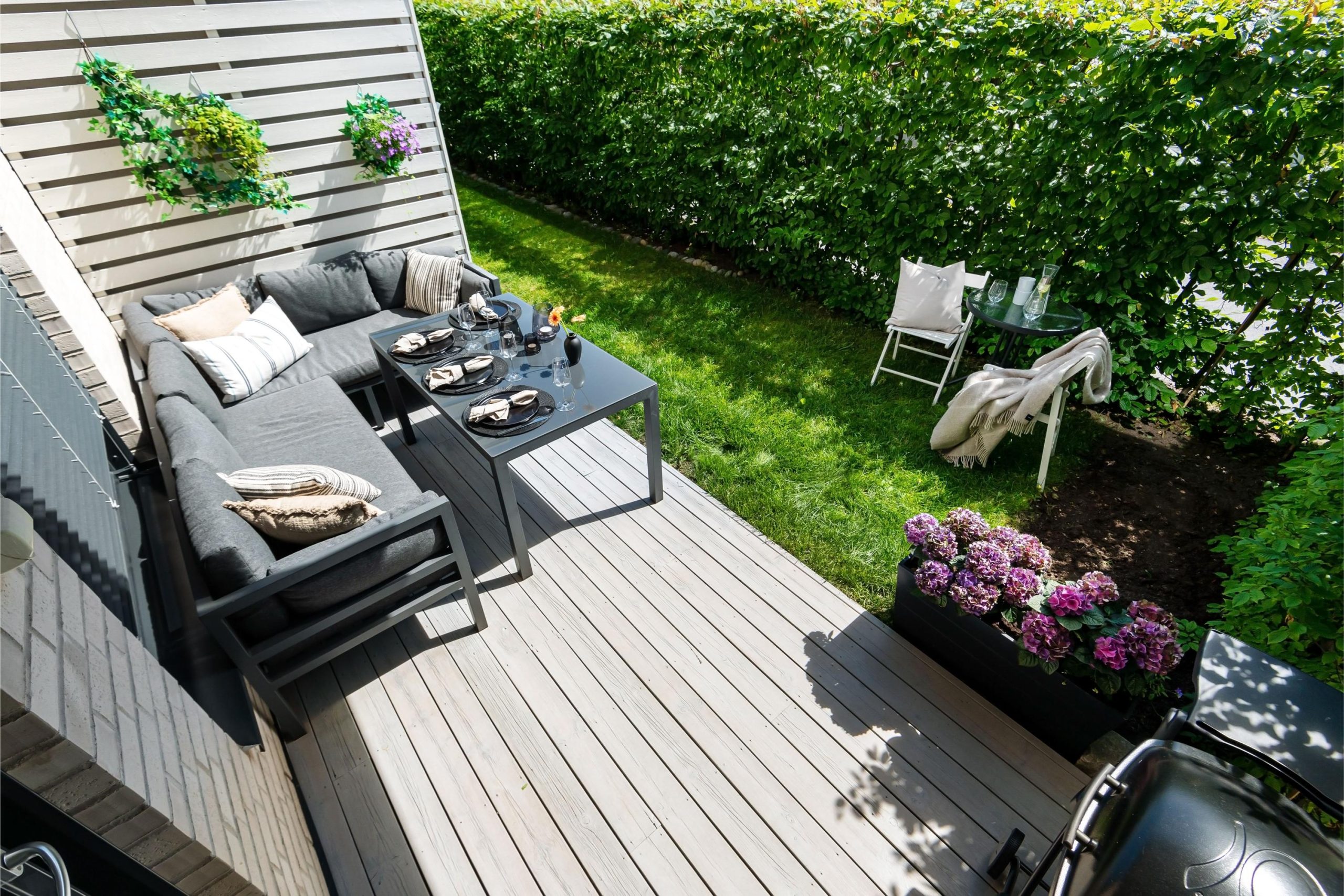
For example, you might create one comfortable seating area that also works for casual meals. A small patio beside the house can serve as a dining spot, while an open section of lawn or gravel provides room for movement. Keeping the center of the yard relatively clear helps the space feel less confined.
Before moving furniture or installing new features, measure the backyard and sketch a basic layout. Mark the doors, windows, existing trees, and walkways. This helps you see where furniture will fit without blocking access or making the yard difficult to navigate.
Try these layout tips:
- Keep the main walkway clear and easy to follow.
- Avoid dividing the yard into too many small sections.
- Place larger features along the edges when possible.
- Leave some open ground to create a sense of space.
- Make sure doors and gates can open without hitting furniture.
A well-planned layout can make even a narrow backyard feel more organized and comfortable.
2. Use Vertical Space for Plants and Storage
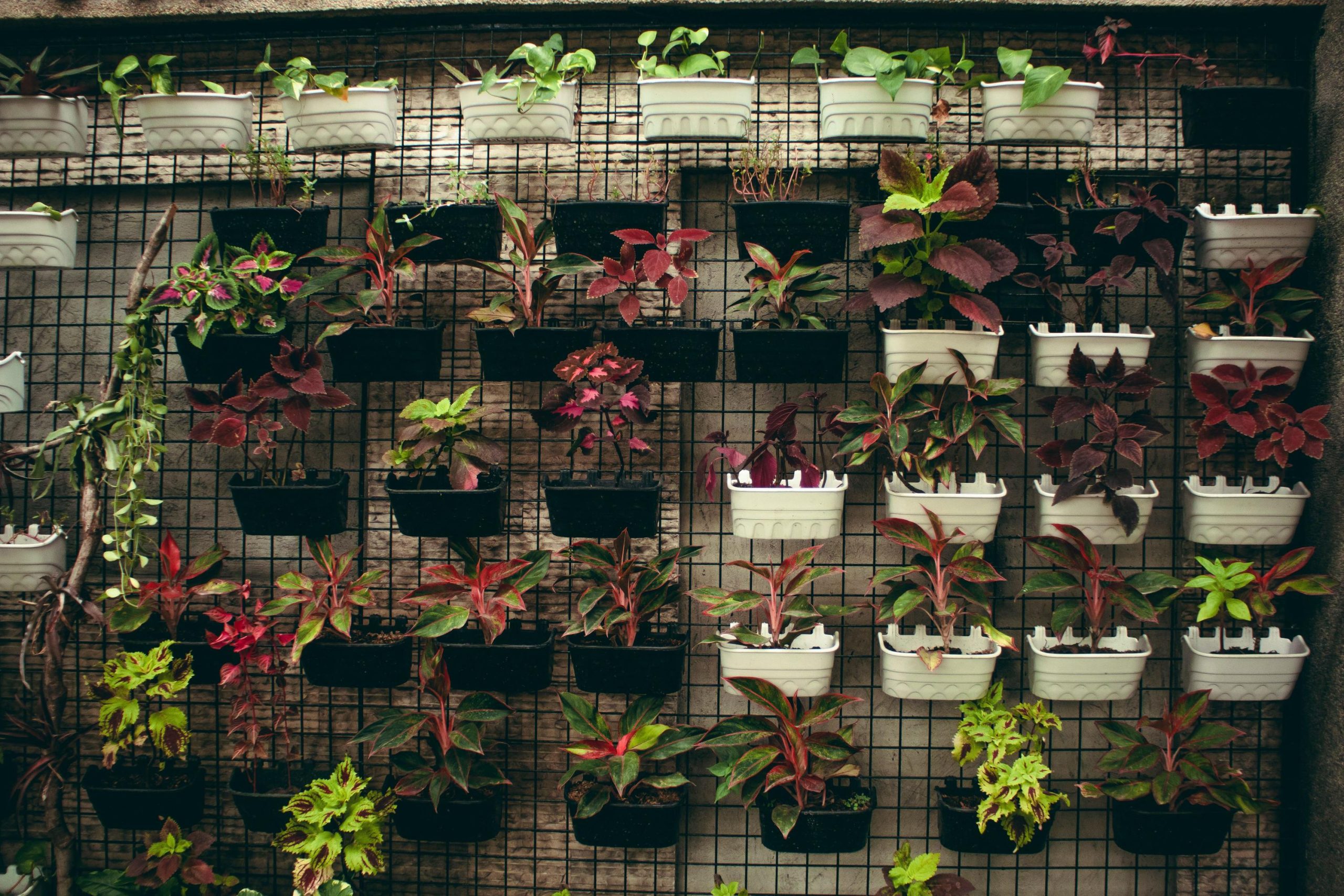
When ground space is limited, look upward. Vertical gardening allows you to add greenery without taking up valuable floor space. It also draws the eye upward, making the backyard feel taller and more open.
You can install wall-mounted planters, hanging baskets, trellises, or narrow plant shelves along fences and exterior walls. Climbing plants can soften plain surfaces and add color without spreading across the ground. Herbs, compact flowers, and some leafy vegetables also grow well in suitable vertical containers.
Vertical storage can be just as useful as vertical gardening. Wall hooks can hold lightweight garden tools, while narrow shelves can keep small pots and outdoor accessories organized. If you have a covered patio, consider a slim storage cabinet that uses height rather than width.
However, avoid covering every wall or fence with plants and decorations. Too many items can make the space feel busy. Choose a few areas to highlight and leave other surfaces relatively clear.
Check that planters and shelves are securely attached and suitable for outdoor conditions. Watering systems should also prevent excess moisture from collecting against wood siding, fences, or walls. A vertical garden works best when it adds interest without creating extra clutter or maintenance problems.
3. Pick Furniture That Fits the Space
Oversized furniture can quickly overwhelm a small backyard. Large sofas, bulky dining sets, and wide lounge chairs may leave little room to walk around. Choosing furniture that fits the available area makes the yard easier to use and helps it feel more open.
Look for compact chairs, narrow tables, and benches with clean lines. Furniture with slim legs can also make the ground visible underneath, creating a lighter appearance. Instead of filling the yard with several seating groups, choose one main set that meets your needs.
Multi-purpose furniture is especially useful. A storage bench can provide seating and hold cushions or garden supplies. Folding chairs can be put away when they are not needed, while a small extendable table offers extra dining space for occasional guests.
Before buying anything, measure the area and allow enough room to pull chairs out and walk around the table. Consider how many people will usually use the space rather than buying furniture for the largest gathering you might host.
Choose outdoor materials that can handle your local weather. Weather-resistant metal, treated wood, and outdoor-rated synthetic materials can be practical options, depending on your climate and maintenance preferences.
The goal is not to make everything as small as possible. It is to choose a few comfortable pieces that leave enough open space for movement.
4. Create the Illusion of More Space With Colors
Color can change how large or small a backyard appears. Light, neutral shades often help compact areas feel brighter, especially when the yard receives limited sunlight. White, beige, soft gray, and pale green can create a calm background that makes the space feel less crowded.
You can use these colors on outdoor furniture, cushions, planters, and decorative accessories. Matching some of these elements to the fence or exterior walls can also reduce visual breaks. When fewer objects compete for attention, the yard may feel more open.
This does not mean you need to avoid bold colors completely. A few colorful flowers, cushions, or decorative pots can create attractive focal points. The trick is to use strong colors in small amounts rather than spreading them across every surface.
You can also use similar colors in connected areas to make the backyard feel more unified. For example, matching the patio furniture to the colors used near the garden can help the different sections feel like part of one larger space.
If you plan to paint a fence or exterior wall, choose a product designed for the surface and outdoor exposure. Prepare the area properly and consider how the color will look in both sunlight and shade.
A consistent color scheme makes the backyard feel intentional, helping it appear more spacious without major construction.
5. Add Mirrors and Reflective Surfaces Carefully
Mirrors can create the impression of depth by reflecting light and nearby greenery. When placed in the right spot, an outdoor mirror may make a narrow patio or enclosed courtyard feel less confined.
Choose a mirror designed for outdoor use, with materials and mounting hardware that can withstand moisture and temperature changes. Position it where it reflects plants, a garden feature, or an attractive view instead of a storage area or an unattractive wall.
Safety is important when using mirrors outdoors. Secure the mirror firmly, keep it away from areas where it could be knocked over, and avoid placing it where reflected sunlight could create excessive glare or heat. Check the manufacturer’s recommendations for outdoor installation.
Reflective materials can offer a similar effect on a smaller scale. Metal planters, glass-topped tables, and light-colored decorative surfaces can reflect some light and add visual interest.
Use these features sparingly. Too many reflective objects can make a small yard look busy or create distracting glare. One carefully placed mirror or a few subtle reflective accents may be more effective than filling the space with shiny decorations.
6. Make the Backyard Feel Larger With Lighting
Good lighting helps a backyard remain useful after sunset and can make it feel more inviting. A dark yard may seem smaller because its boundaries and features disappear at night. Carefully placed lights reveal the layout and create a sense of depth.
Start by lighting the areas you use most, such as the patio, seating area, and main walkway. Wall lights can brighten the space near the house, while low-level path lights can guide people safely through the yard. String lights can add a soft glow above a seating area without taking up floor space.
Try to avoid using one very bright light to illuminate the entire backyard. Strong glare and deep shadows can make the space feel harsh. Several softer light sources often create a more comfortable result.
You can also use accent lighting to highlight a small tree, planter, or textured fence. This draws attention to selected features and gives the yard more visual depth. Solar lights may be convenient in sunny areas, while wired or plug-in options may work better where consistent brightness is needed.
Choose outdoor-rated fixtures and follow the manufacturer’s installation instructions. Keep electrical connections protected from water, and hire a qualified electrician for new wiring when necessary.
Thoughtful lighting makes the yard feel welcoming and helps you enjoy more of the space without adding furniture or taking up valuable ground area.
7. Choose Plants That Add Height Without Taking Over
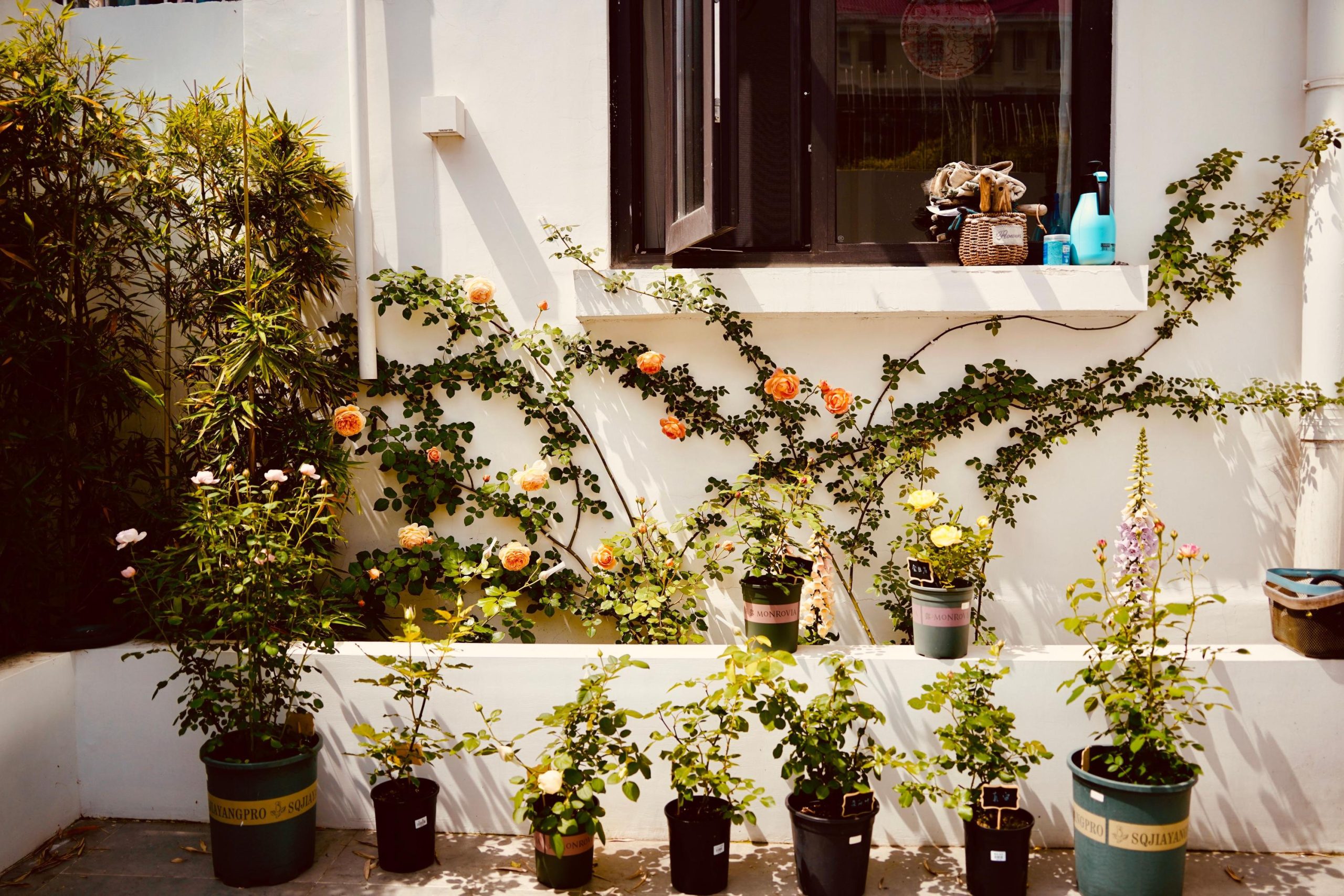
Plants make a backyard feel lively, but the wrong choices can quickly fill a small area. Large shrubs, spreading ground cover, and oversized containers may crowd walkways and block views. Choosing plants based on their mature size helps you maintain an open layout as the garden grows.
Tall, narrow plants can add height without spreading too far sideways. Climbing plants trained along a trellis can also draw the eye upward. In smaller beds, combine a few plants of different heights instead of filling every gap with greenery.
Use containers when you want flexibility. Pots can be moved to make room for guests or rearranged as your needs change. Grouping a few containers together often looks more organized than scattering many small pots around the yard.
Consider sunlight, drainage, local climate, and maintenance needs before selecting plants. A plant that thrives in full sun may struggle in a shaded corner, while a water-loving plant may not do well in a dry container. Native plants and other varieties suited to your region can often reduce watering and care requirements once established.
Leave enough room between plants for healthy growth and airflow. Prune them when needed, and remove dead leaves or branches to keep the yard neat.
A small number of well-placed plants can create a lush atmosphere without making the backyard feel crowded.
8. Use One Clear Path to Guide the Eye
A clear path can make a small backyard feel longer and more organized. When the eye can follow an easy route from the house to the far end of the yard, the space may appear deeper than it really is.
Choose a path that suits the shape of your backyard. A straight walkway can emphasize length in a narrow space, while a gentle curve may add interest to a wider yard. Use materials that complement the patio and garden, such as pavers, gravel, or stepping stones.
Keep the path wide enough for comfortable movement and avoid placing pots, chairs, or decorations along every section. A crowded walkway makes the yard harder to use and breaks up the visual flow.
You can also use repeated materials or colors to connect the different areas. For example, similar pavers near the patio and garden can create a sense of continuity. If you have a small lawn, let the path follow its edge instead of cutting it into several tiny sections.
Make sure the walkway is stable, well-drained, and suitable for wet weather. Uneven pavers and loose stones can become tripping hazards. A simple, well-maintained path adds structure while helping the backyard feel more open.
9. Keep Boundaries Neat and Add Privacy Without Bulk
Fences, walls, and neighboring buildings can make a small backyard feel enclosed. While privacy is important, heavy screens and large structures can make the space seem even smaller. The goal is to create privacy without blocking too much light or visual space.
Start by keeping existing fences clean and in good condition. A simple, consistent finish can make the boundaries feel less distracting. If the fence is sound, a fresh coat of suitable outdoor paint or stain may improve the overall appearance without requiring a replacement.
For added privacy, consider a narrow trellis, a few strategically placed plants, or an outdoor screen that fits the area. Open designs often allow light and air to pass through while still providing some separation. Before installing a tall fence or screen, check local rules and any neighborhood restrictions.
It is also wise to inspect boundaries and nearby structures before adding new features. Look for loose fence posts, soft or rotting wood, peeling finishes, damp areas, or changes in the ground near retaining walls. These can be hidden property damage indicators that deserve closer attention before you spend money on cosmetic improvements. If you notice significant movement, persistent moisture, or structural concerns, consult a qualified professional.
A tidy boundary and carefully chosen privacy features can make the backyard feel more polished without closing it in.
10. Choose Flexible Features and Plan for Easy Maintenance
A small backyard works best when it can adapt to different activities. You might want a quiet place to read during the week and extra room for friends on the weekend. Flexible features allow you to change how you use the space without needing a larger yard.
Consider lightweight chairs that can be moved easily, folding tables, portable planters, or a small outdoor cart. A compact shade umbrella can provide cover when needed and be stored when you want more open space. If you enjoy gardening, raised planters with a manageable footprint can create a dedicated growing area without taking over the yard.
Think about maintenance when choosing materials and plants. Too many delicate surfaces, large lawns, or high-maintenance plants can make a small backyard feel like a constant project. Select durable furniture, group plants with similar watering needs, and use mulch where appropriate to help manage weeds and conserve soil moisture.
Regular care also helps prevent small problems from becoming expensive repairs. Include seasonal backyard preparation in your routine by checking outdoor furniture, clearing leaves from drains, inspecting paths, pruning plants, and preparing the space for expected weather changes.
Before making larger improvements, set a budget and prioritize the changes that will have the greatest effect. You may get more value from better furniture placement, a few new lights, and organized planting than from an expensive renovation.
Conclusion
A small backyard does not have to feel cramped or limit how you enjoy outdoor living. With a simple layout, appropriately sized furniture, vertical planting, and a consistent color scheme, you can make the space feel more open while keeping it comfortable and useful.
Focus on changes that improve both appearance and function. Clear pathways, layered lighting, well-chosen plants, and flexible furniture can make a noticeable difference without taking up extra room. You can also improve privacy and style with a few carefully selected features instead of filling every corner.
Start with one or two changes that fit your budget, then build on them as needed. By making thoughtful design choices and keeping the yard well maintained, you can turn even a compact backyard into an inviting outdoor retreat.