Every region has its own weather personality, and the outdoor upgrades that thrive in one climate can fail fast in another. Homeowners often choose materials and systems based on looks or price alone, only to find out the hard way that their new deck, roof, or outdoor structure was never designed for their area’s rain, heat, or freeze cycles. Before you invest in any exterior project, it pays to understand how your specific climate behaves throughout the year. This guide breaks down the key weather factors to consider and how they should shape your decisions on everything from outdoor structures to cooling systems.
Understanding Your Region’s Temperature Swings
Daily and seasonal temperature swings put more stress on outdoor materials than most people realize. A region that bounces between freezing nights and warm afternoons causes constant expansion and contraction in building materials, which accelerates wear on seams, joints, and fasteners. Before choosing materials for any outdoor project, look at your area’s average diurnal temperature range, not just the seasonal extremes. This single data point often predicts maintenance headaches better than raw heat or cold numbers alone.
Climates with wide swings also affect how long paints, sealants, and adhesives last outdoors. Products rated for stable climates may crack or peel years ahead of schedule when used somewhere with dramatic daily shifts. Checking the manufacturer’s climate rating before buying any exterior product can save significant money down the road.
Choosing Materials for Rain and Humidity Patterns
Moisture is one of the most destructive forces an outdoor upgrade will face, and it behaves very differently depending on whether you live somewhere with heavy seasonal downpours or constant low-grade humidity. Areas with intense rainy seasons need drainage-focused design, steep rooflines, and materials resistant to standing water. Humid climates, on the other hand, demand materials that resist mold, mildew, and slow rot even when things never fully dry out.
Wood-based structures are particularly vulnerable in humid zones, so pressure-treated lumber or composite alternatives are usually worth the extra upfront cost. Metal and vinyl components tend to perform better in consistently damp conditions because they do not absorb water the way organic materials do. Getting this choice right at the design stage prevents expensive rot and mold remediation a few years into ownership.
Planning Structures for Snow Load and Wind Exposure
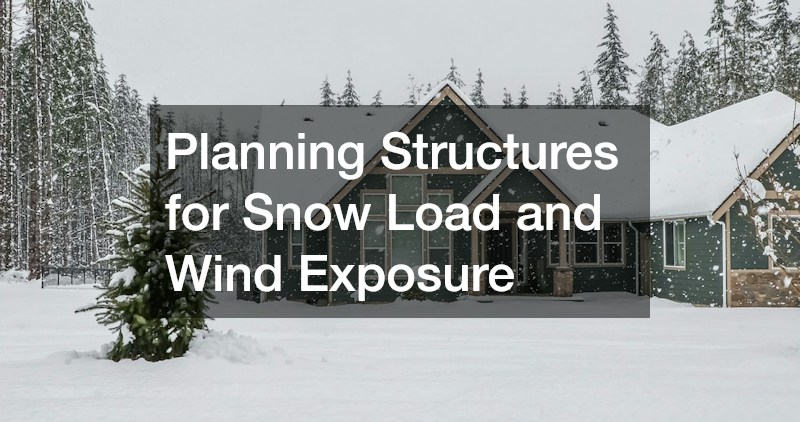
If your region sees heavy snowfall or strong seasonal winds, the structural design of any outdoor building matters far more than its appearance. A pretty roofline won’t help if it buckles under two feet of wet snow or peels back in a 60 mph gust. Before choosing a structure, it’s worth checking your local building code for snow load and wind speed ratings, since these numbers vary widely even within the same state. Many homeowners looking for flexible storage or workspace options are turning to hoop buildings because their curved design sheds snow efficiently and handles wind loads better than flat-roofed alternatives. The continuous arc distributes stress evenly across the frame rather than concentrating it at corners and joints, which are typically the first failure points in conventional framed structures. This makes hoop buildings a popular choice in areas prone to nor’easters, lake-effect snow, or open plains winds. The absence of flat horizontal surfaces means less accumulated weight sitting on the structure during a storm, which reduces the risk of collapse. Snow simply slides off the curved steel or fabric skin instead of piling up, so you’re not relying on manual shoveling to keep loads within safe limits. For added resilience, many manufacturers rate their hoop buildings for specific snow load capacities (often 20 to 40 pounds per square foot) and wind speeds up to 90 mph or higher, so it pays to match the rating to your region’s worst-case conditions rather than its average weather.
That said, not all hoop buildings are engineered the same way, and snow load ratings vary significantly between manufacturers. It is worth requesting the specific load capacity in pounds per square foot rather than relying on vague marketing claims like “heavy-duty” or “winter-rated.” A structure rated for 20 psf will behave very differently under a wet, heavy snowfall than one rated for 40 psf, and the difference matters most in regions where snow can sit and accumulate for weeks rather than melting quickly. Wind bracing, anchoring systems, and fabric or metal cover thickness all affect how well the structure performs once winter weather actually arrives. Ground anchors should be matched to soil type, since a rebar stake system that holds firm in dense clay may pull loose in sandy or frequently thawed ground. Truss spacing is another variable worth asking about, as tighter spacing generally improves resistance to both snow accumulation and wind uplift, even if it adds to the upfront cost. It also helps to think about how snow actually sheds off the structure’s shape. Steeper-sided hoop profiles tend to shed snow faster than flatter arcs, reducing the time the roof spends under peak load. Pairing the right profile with adequate bracing and a realistic load rating gives a far more accurate picture of winter performance than any general marketing claim.
- Ask for documented snow load (psf) and wind speed (mph) ratings before purchasing, not just a sales rep’s verbal assurance
- Match ratings to your actual local building codes — a structure rated for 20 psf snow load won’t cut it in regions requiring 50+ psf
- Confirm anchoring requirements match your local soil conditions, since clay, sand, and frost-prone soils all hold anchors differently
- Consider auger or helical anchors for loose or sandy soil, and concrete footings where frost heave is a concern
- Add end-wall reinforcement in high-wind corridors, where gusts often hit hardest at open gable ends
- Check whether the cover material is rated for UV and cold-weather flexibility, since cheaper vinyl can crack or turn brittle below freezing
- Look for reinforced seams and double-stitched or welded panels, which hold up better under repeated wind flex
Matching Cooling Systems to Summer Heat Intensity
Outdoor upgrades are not limited to structures and landscaping; the systems that keep your home comfortable also need to match your climate’s real behavior. In regions with long, intense summers, an aging cooling system often struggles to keep up, running longer cycles and driving up energy bills without actually improving comfort. A unit that was properly sized a decade ago may now be undersized for today’s heat patterns, especially if summer temperatures have been climbing or your home has added square footage. Climate zone matters more than most homeowners realize when sizing a replacement system. A SEER rating that performs well in a mild coastal climate may fall short in a dry, triple-digit desert summer or a humid southern climate where the AC also has to work overtime pulling moisture from the air. Homeowners in hotter zones generally benefit from higher SEER2 ratings and correctly calculated tonnage, since an oversized unit cycles too fast and leaves humidity behind, while an undersized one never catches up. Scheduling an AC replacement before a unit completely fails gives homeowners time to choose the correct tonnage and efficiency rating for their specific climate zone, rather than scrambling during a heat wave. It also allows time to compare options like variable-speed compressors, which adjust output to match real-time heat loads instead of running at one fixed speed. Planning ahead typically means better contractor availability, more competitive pricing, and avoiding the inflated emergency-service rates that spike industry-wide during the first major heat wave of the season.
Climate zone matters more than most people expect when sizing a new system. A unit that works well in a mild coastal area may be dramatically undersized for a hot, dry inland climate with sustained triple-digit days, forcing it to run nearly nonstop during peak summer afternoons. That constant strain shortens equipment life, spikes utility bills, and still may leave rooms uncomfortably warm by early evening. This is why swapping in an identical replacement for your old unit is often a missed opportunity. Homes built even ten or fifteen years ago were typically sized for cooler average summers, and many regions have since seen more frequent heat waves and longer stretches above 95°F. A system sized for yesterday’s climate data may struggle with today’s reality, let alone the hotter summers forecasted ahead. Working with a technician who performs a proper Manual J load calculation makes the difference. This process accounts for square footage, insulation levels, window orientation, ceiling height, and local design temperatures rather than relying on rules of thumb. For a home in a hot-dry inland zone, that might mean sizing up tonnage or prioritizing a two-stage or variable-speed compressor that can ramp up during extreme heat while still running efficiently on milder days. Homeowners should also ask how the calculation factors in future conditions, not just historical averages. A system matched to both current and projected summer intensity will perform reliably for its full lifespan rather than becoming inadequate within a few years of installation.
Protecting Windows From Sun, Storms, and Temperature Extremes
Windows take a constant beating from climate, whether it is UV exposure fading interiors, wind-driven rain finding its way through old seals, or temperature extremes stressing the frame material. In sun-intensive climates, low-E glass coatings reduce heat gain significantly, keeping indoor spaces more comfortable without overworking the air conditioning. In storm-prone regions, impact-rated glass and reinforced frames protect against debris during high winds.
Many homeowners wait until a window is visibly damaged before considering window replacement, but climate-related deterioration often starts long before anything looks obviously wrong. Seals can fail quietly, allowing drafts and moisture infiltration that spike energy bills and encourage mold growth around the frame. Paying attention to condensation between panes or noticeable drafts is a good early signal that it’s time to evaluate options suited to your specific weather exposure.
- Low-E coatings help in hot, sun-heavy climates
- Impact-rated glass suits hurricane and high-wind zones
- Double or triple-pane options help in extreme cold regions
- Properly sealed frames prevent moisture problems in humid climates
Selecting Roofing Materials for Long-Term Climate Resistance
Roofing is one of the most climate-sensitive investments a homeowner makes, and the right choice depends heavily on regional conditions rather than trends. In wildfire-prone or extreme-heat regions, roof metal decking has become a popular upgrade because it resists ignition and reflects solar heat more effectively than traditional asphalt shingles. It also tends to hold up better under heavy snow loads and wind-driven rain, making it a versatile option across several challenging climate types.
Metal roofing does carry a higher upfront cost than asphalt, but its lifespan, often 40 to 70 years depending on the specific product, can make it more economical over time. Proper installation matters enormously here, since improper fastening or inadequate underlayment can lead to leaks regardless of how good the material itself is. Homeowners in climates with frequent freeze-thaw cycles should pay particular attention to how the decking is installed around flashing and roof penetrations.
Reading Local Climate Data Before You Commit
Before finalizing any outdoor upgrade, it helps to look beyond general regional reputation and examine actual local climate data. National climate zone maps provide a starting point, but microclimates created by elevation, nearby water, or urban heat islands can shift conditions significantly within just a few miles. Local building departments and extension offices often have more precise data than national averages suggest.
Talking to neighbors who have already completed similar projects can also reveal practical insights that data alone will not show. They can tell you how materials have actually held up through a few real seasons, not just how they are rated on paper. Combining hard data with firsthand local experience gives you the clearest possible picture before committing to a major outdoor investment.
Matching outdoor upgrades to your climate’s real behavior, rather than generic advice or appearance alone, is the single best way to protect your investment long term. Take time to research your region’s specific temperature swings, moisture patterns, and storm risks before choosing materials or systems for your next project. A little extra research now can prevent costly repairs, premature replacements, and avoidable frustration for years to come.