Key takeaways
- Watch your yard’s sun, shade, and drainage for a week or two, and test your soil before you buy any plants.
- Start with one or two small beds, about 4 by 8 feet, and group plants with similar water and sun needs.
- Choose native perennials and shrubs suited to your hardiness zone, since they need less water, fertilizer, and replanting.
- Mix 2 to 3 inches of compost into new beds, and use cardboard sheet mulching to clear grass without digging.
- Keep a 2- to 3-inch layer of mulch on beds, pulled back from stems, to block weeds and hold moisture.
- Use drip lines or soaker hoses on a timer, and water deeply in the early morning about once a week.
- Replace part of your lawn with paths, ground covers, and edging, and drain hoses and irrigation lines before the first freeze.
Do you love the look of a green, blooming backyard but dread the hours of weeding, watering, and mowing? You are not alone. Many homeowners want a garden that looks great without eating up every weekend. The good news is that a beautiful yard does not have to be a lot of work.
A low-maintenance garden is built on smart choices made at the start. When you pick the right plants, prepare the soil well, and set up simple systems for water and weeds, your garden does much of the work for you. You spend less time on chores and more time relaxing in the space you built.
In this guide, you will learn how to plan, plant, and care for a garden that fits a busy life. Whether you have a small patio or a large lot, these steps will help you create an outdoor space that stays healthy with very little effort.
1. Get to Know Your Yard First
Before you buy a single plant, spend a week or two watching your yard. Notice which spots get full sun (six or more hours a day), which get partial sun, and which stay shady. Sunlight is the biggest factor in what will grow well. A plant in the wrong light will struggle no matter how much care you give it.
Next, check your soil and drainage. After a heavy rain, look for puddles that last more than a day. Those areas may need drainage fixes or plants that like wet soil. You can buy a simple soil test kit at a garden center for about $15 to $30. You can also send a sample to your local cooperative extension office. The results will tell you your soil’s pH and which nutrients it lacks.
Finally, think about how your family uses the yard. Do kids or pets play there? Do you need a clear path to the shed or trash cans? Mapping these needs early keeps you from planting in spots that will get trampled.
- Track sun and shade in each area of your yard for at least a week.
- Test your soil and note any spots where water pools after rain.
- Plan your garden around how your household already uses the space.
2. Plan Your Layout and Start Small
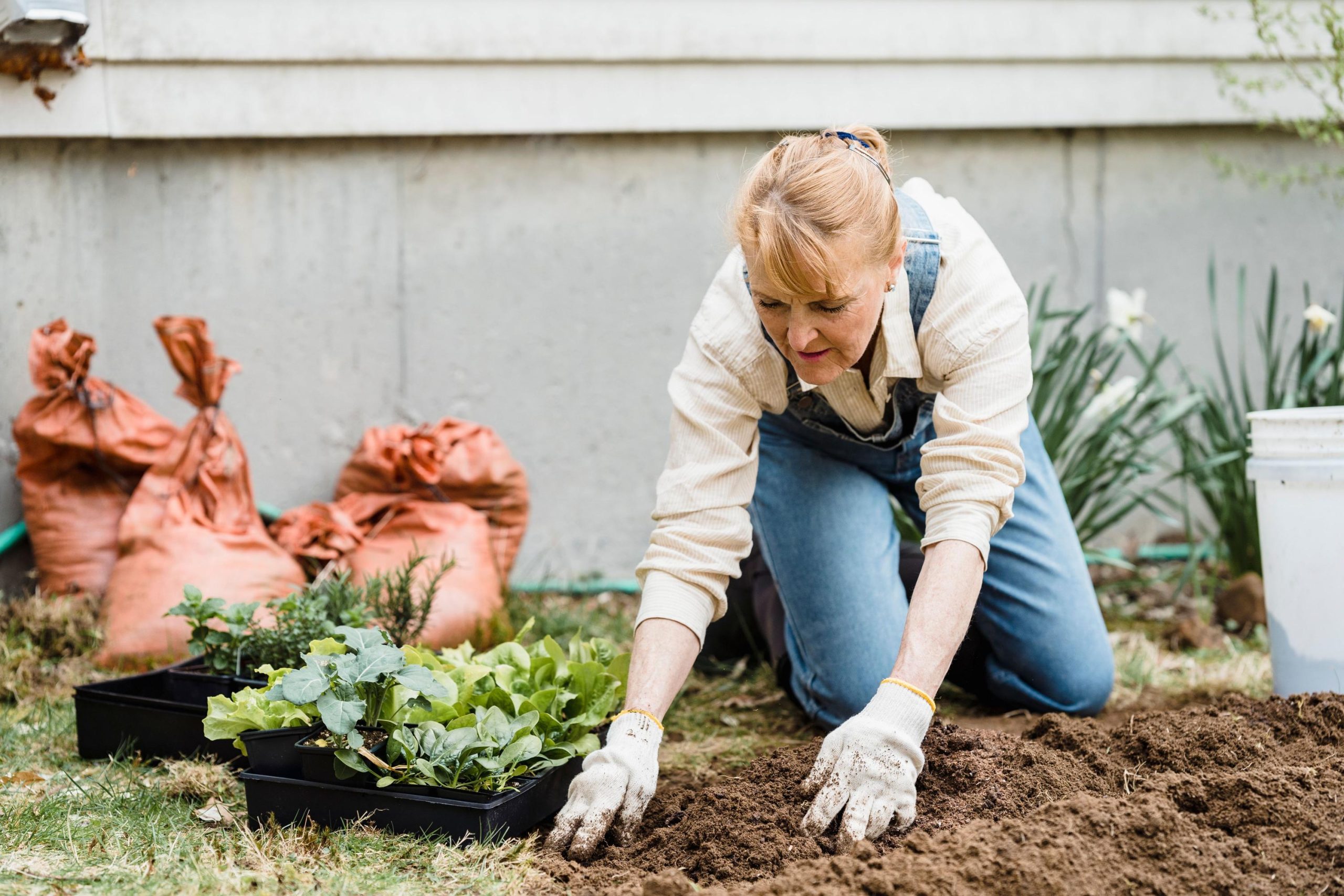
One of the most common mistakes new gardeners make is planting too much at once. A huge garden quickly turns into a huge chore. Start with one or two beds, see how they do, and add more next season if you want. A bed about 4 feet wide and 8 feet long is a great starter size.
Sketch your yard on graph paper or use a free online garden planner. Mark where beds, paths, and seating will go. Then group plants with similar needs together. This is called hydrozoning. Thirsty plants share one area, and plants that like it dry share another, which makes watering much simpler.
If your plan includes bigger changes like a patio, retaining wall, or new water lines, take time to learn how to prepare for a backyard construction project before you dig. Call 811 a few days ahead so utility companies can mark buried lines for free. Check your local permit rules, choose where materials will be dropped off, and protect any trees you want to keep. Doing the heavy work first means you won’t crush new plants later.
- Begin with one or two small beds and expand over time.
- Group plants by their water and sun needs to save effort.
- Finish any digging or building before planting, and always call 811 first.
3. Choose Native and Drought-Tolerant Plants
Native plants are the backbone of a low-maintenance garden. Over thousands of years, they have adapted to your local weather, soil, and rainfall. Once they settle in, most need little water, little fertilizer, and few pest sprays. As a bonus, they attract bees, butterflies, and birds.
Start by looking up your USDA Plant Hardiness Zone, which tells you which plants can survive your winters. Then check a local nursery or your extension office website for a list of natives in your area. Easy-care favorites across much of the US include coneflower, black-eyed Susan, yarrow, and little bluestem grass. In hot, dry regions, lavender, sedum, and salvia are tough and reliable.
Choose perennials and shrubs over annuals whenever you can. Perennials come back every year, so you don’t need to replant each spring. Shrubs like ninebark, dwarf spirea, or boxwood give your garden shape all year and usually need just one light trim.
- Pick native plants suited to your hardiness zone and local rainfall.
- Favor perennials and shrubs so you aren’t replanting every year.
- Read plant tags for mature size so you don’t have to prune constantly.
4. Build Healthy Soil From the Start
Healthy soil grows strong plants, and strong plants need less help from you. Use your soil test results as your guide. Most garden plants grow best when the soil pH is between 6.0 and 7.0.
The easiest way to improve almost any soil is to add compost. Spread 2 to 3 inches over your beds and mix it into the top 6 to 8 inches. Compost helps heavy clay soil drain better and helps sandy soil hold water. It also feeds the worms and tiny organisms that keep soil alive.
If you are starting on top of grass, try sheet mulching, sometimes called lasagna gardening. Lay cardboard over the grass, soak it with water, and cover it with several inches of compost and mulch. Over a few months, the grass dies and breaks down, so you skip the hard job of digging it out. Fall is a great time to do this, since the bed will be ready by spring.
- Aim for a soil pH between 6.0 and 7.0 for most plants.
- Mix 2 to 3 inches of compost into new beds.
- Use cardboard sheet mulching to remove grass without digging.
5. Use Raised Beds and Containers
Raised beds are a favorite for easy gardening. They warm up faster in spring, drain well, and get fewer weeds than in-ground beds. They are also easier on your back and knees. A height of 10 to 12 inches works for most plants, while beds 24 inches or taller let you garden with almost no bending.
Keep beds no wider than 4 feet so you can reach the middle from either side without stepping on the soil. Good building materials include cedar, galvanized steel, and composite boards. Avoid old railroad ties, which are often treated with chemicals you don’t want near food plants.
Containers are perfect for herbs, flowers, and small veggies near your patio or kitchen door. Bigger pots dry out more slowly than small ones, so choose the largest size that fits your space. Self-watering containers have a built-in water reservoir, which can stretch the time between waterings to several days.
- Build raised beds no wider than 4 feet for easy reach.
- Choose safe, long-lasting materials like cedar or galvanized steel.
- Use large or self-watering containers to cut down on daily watering.
6. Mulch Well to Stop Weeds
If there is one secret to a low-maintenance garden, it is mulch. A 2- to 3-inch layer of wood chips, shredded bark, or pine straw blocks sunlight from weed seeds. It also keeps soil moist and cool, so you water less often. As it breaks down, mulch adds nutrients back into the soil.
Keep mulch a few inches away from plant stems and tree trunks. Piling it up against them, sometimes called a “mulch volcano,” can cause rot and invite pests. Plan to add a fresh layer once a year, usually in spring, since old mulch slowly breaks down.
You may be tempted to lay landscape fabric under your mulch. It can work well under gravel paths, but it often causes problems in planted beds. Over time, weeds grow on top of it, and it keeps compost from reaching the soil. A better plan is to plant close together so leaves shade the ground, and pull small weeds after a rain when the soil is soft.
- Spread 2 to 3 inches of mulch and refresh it each year.
- Keep mulch pulled back from stems and trunks.
- Plant densely and pull weeds while they’re small.
7. Set Up Smart Watering
Hand-watering with a hose is one of the biggest time drains in any garden. Drip irrigation and soaker hoses fix this by sending water straight to plant roots. Much less water is lost to wind and evaporation than with a sprinkler. Leaves also stay dry, which helps prevent plant diseases.
Add a hose-end timer, which usually costs $25 to $60, and your watering becomes automatic. Set it to run early in the morning, when less water evaporates. Most established plants do best with deep, less frequent watering, about 1 inch per week including rain. This teaches roots to grow deep and makes plants tougher during dry spells.
You can go a step further with a rain barrel or a smart controller. A rain barrel collects free water from your roof for dry weeks, but check local rules first, since a few areas limit rainwater collection. Smart controllers connect to Wi-Fi and skip watering when rain is in the forecast.
- Use drip lines or soaker hoses to water roots, not leaves.
- Add a timer and water deeply in the early morning.
- Consider a rain barrel or smart controller to save water and money.
8. Shrink the Lawn With Hardscaping and Ground Covers
A traditional lawn needs weekly mowing, regular watering, and yearly feeding. Replacing even part of it can save you hours each month. Gravel paths, stepping stones, and paver patios add structure to your yard and need almost no care once installed.
In areas where you still want green, try a low-growing ground cover instead of grass. Creeping thyme, white clover, sedum, and ajuga spread to fill bare spots and rarely need mowing. Many can handle light foot traffic, and clover even adds nitrogen to the soil naturally. Before planting any spreading plant, check that it isn’t considered invasive in your state.
Don’t forget edging. A strip of metal, stone, or brick edging between beds and lawn stops grass from creeping into your garden. This one small project can save you a lot of weeding over the years.
- Replace part of your lawn with paths, patios, or gravel areas.
- Use low-growing ground covers that rarely need mowing.
- Install edging to keep grass out of garden beds.
9. Keep Up With Simple Seasonal Care
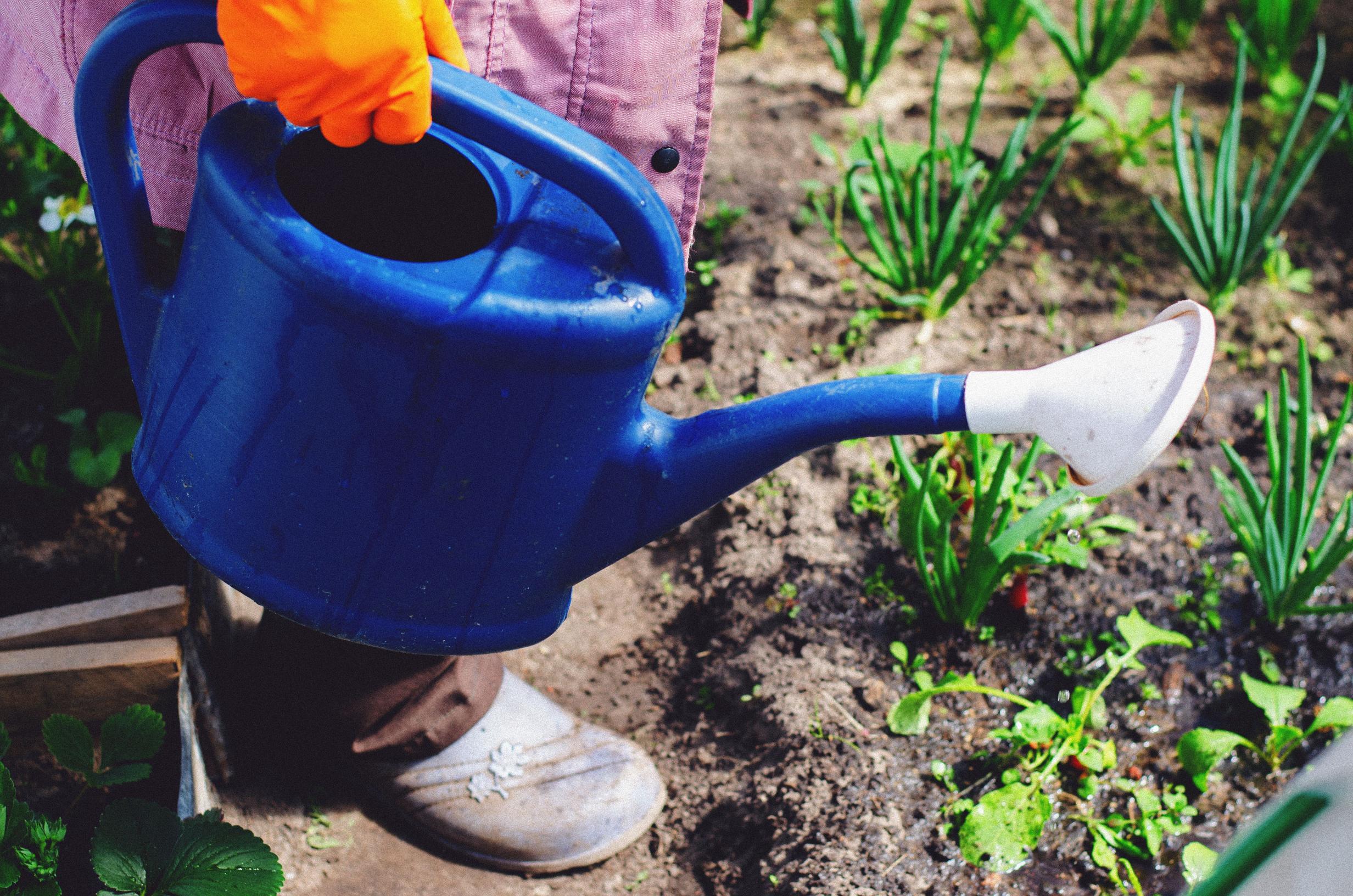
Even the easiest garden needs a little attention a few times a year. The trick is to handle small tasks before they become big problems. A big part of knowing how to maintain outdoor home systems throughout the year is having a simple seasonal routine for your irrigation, beds, and tools.
In spring, check drip lines for leaks or clogs, reset your timer, and add fresh compost and mulch. In summer, watch for pests, pull any weeds that pop up, and give the timer a little more run time during heat waves. In fall, plant new perennials while the soil is still warm, and rake leaves into beds as free mulch.
Before the first hard freeze, drain your hoses, rain barrel, and drip lines so they don’t crack. Bring timers and batteries indoors. Winter is also a great time to flip through your notes and plan any changes for next year. Leave some seed heads standing, since they feed birds and shelter helpful insects.
- Inspect and reset irrigation every spring.
- Drain and store hoses, timers, and rain barrels before freezing weather.
- Use fall leaves as free mulch and leave seed heads for wildlife.
Conclusion
A low-maintenance garden is not about doing nothing. It is about doing the right things once, so you don’t have to keep doing them over and over. By studying your yard, starting small, and choosing native plants, you set your garden up to thrive on its own.
Good soil, thick mulch, and automatic watering handle most of the daily work for you. Paths, ground covers, and edging cut down on mowing and weeding. A short seasonal checklist keeps everything running smoothly from one year to the next.
You don’t have to do it all this weekend. Pick one step, like testing your soil or building your first raised bed, and start there. Each small change adds up, and before long you’ll have a backyard that looks great and gives you more time to simply enjoy it.