Your backyard runs on a clock you probably never see. While you focus on the visible stuff like mowing the lawn or planting flowers, dozens of seasonal deadlines quietly pass by unnoticed, and missing them can turn small annoyances into expensive repairs. From the deck under your feet to the pipes beneath your lawn, outdoor spaces need scheduled attention just like the inside of your home. This guide walks through the maintenance windows that matter most, so you can protect your investment and avoid costly surprises.
Watch for Warning Signs in Your Cooling System Before Summer Hits
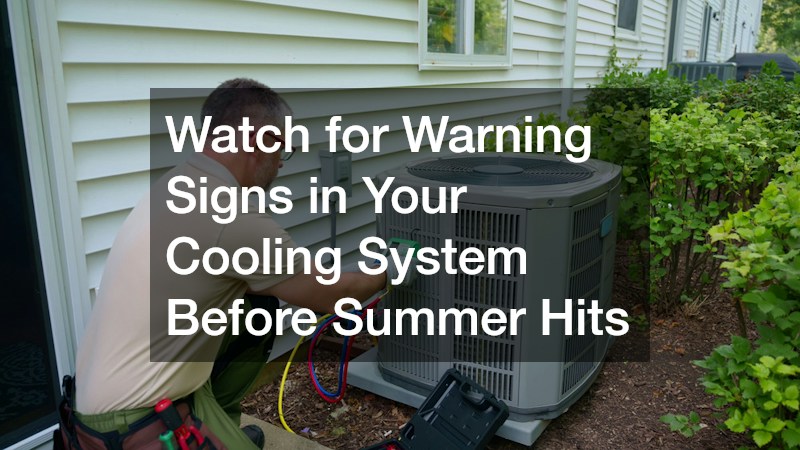
Your outdoor condenser unit works overtime once temperatures climb, and a spring inspection can catch small issues before they become breakdowns. Debris, leaves, and grass clippings build up around the unit over fall and winter, restricting airflow and forcing the system to strain to keep your home cool. A unit fighting for airflow doesn’t just cool less effectively—it also burns through more energy, which shows up as a spike on your utility bill. Before you even call in a professional, walk around the unit and clear at least two feet of space on all sides. Check for bent fins on the condenser coil, listen for unusual rattling or grinding, and take note if the system seems to run constantly without the house actually cooling down. These are the early clues that something needs attention before it turns into a costly repair. Scheduling routine AC services before the first heat wave gives a technician time to clean coils, check refrigerant levels, test the capacitor and fan motor, and confirm everything is running efficiently. Low refrigerant, in particular, is a common culprit behind weak cooling and can point to a slow leak that only gets worse with time. Catching these issues in April or May, rather than during a 95-degree afternoon in July, also means shorter wait times for service and fewer emergency repair fees.
Before the first real heat wave, take a few minutes to test your air conditioner while the stakes are still low. Turn it on and pay attention to airflow at the vents, any grinding or clicking noises from the outdoor unit, and how long it takes for rooms to actually cool down. These small clues often show up weeks before a full breakdown, giving you time to act. If you notice weak airflow, strange noises, or rooms that never quite cool down, do not wait for the problem to worsen. A refrigerant leak, a failing capacitor, or a clogged filter can all start small but force the compressor to work harder than it should, driving up energy bills in the process. Calling for AC repair early in the season often costs less than an emergency visit in the middle of a heat wave, when technicians are booked solid and parts may be harder to source quickly. It also helps to swap or clean your air filter every one to three months during peak cooling season, since a dirty filter is one of the most common causes of reduced airflow. Keeping the outdoor condenser unit clear of leaves, grass clippings, and debris in a two-foot radius can prevent unnecessary strain as well. A well-maintained system also tends to last several years longer than one that gets ignored until it fails, often stretching a 12 to 15 year lifespan closer to its full potential. Catching issues early not only protects your comfort but also preserves the manufacturer’s warranty, which can require proof of regular upkeep.
Inspect Your Roof and Gutters After Every Major Storm Season
Your roof takes the brunt of wind, hail, and falling branches, yet most homeowners only think about it when a leak appears inside the house. A visual check twice a year, plus an inspection after any major storm, helps you spot loose shingles, cracked flashing, or granule loss before they turn into water damage. Reputable roofing companies typically offer free inspections, which makes this an easy box to check without spending money upfront.
- Look for curling, cracked, or missing shingles after windstorms
- Check attic insulation for damp spots or discoloration
- Clear gutters of leaves and debris at least twice a year
- Watch for sagging rooflines, which can signal structural issues
- Note any granules collecting in gutters, a sign of shingle wear
Test Your Garage Door Hardware Twice a Year

The garage door is one of the heaviest moving parts of your home, and its spring system carries most of that weight under constant tension. Over time, springs weaken or corrode from humidity swings and daily cycling, especially if the door is opened and closed several times a day. A snapped spring can jam the door shut or, worse, cause injury if it releases suddenly, since a fully wound torsion spring stores enough force to cause serious harm. Twice a year, do a quick visual and functional check. Look for gaps or separation in the coils, rust spots, or a spring that looks stretched compared to its neighbor on a two-spring system. Then test balance by disconnecting the opener and lifting the door halfway by hand — it should stay in place on its own; if it drifts up or crashes down, the springs are no longer carrying their share of the load. Pay attention, too, to grinding or popping noises during operation, uneven movement where one side lags behind the other, or a door that suddenly feels heavier when you use the manual release. Any of these signs point to spring fatigue long before a full failure. Scheduling a professional broken garage door spring repair at the first sign of trouble is far safer than attempting a fix yourself, since the tension involved makes DIY spring work one of the more dangerous home repairs you can attempt.
Twice a year, in spring and fall, walk through a quick inspection of your garage door’s moving parts: tracks, rollers, cables, and hinges. Look for rust spots, frayed cable strands, or metal shavings near the tracks, all signs of wear that worsen quickly once they start. While you’re at it, check that the tracks are aligned and free of dents, since a bent track forces the rollers to work harder and wears them out faster. Don’t skip the balance test. Disconnect the opener, lift the door halfway by hand, and let go. A properly balanced door should stay in place; if it drifts up or crashes down, the springs are losing tension and need professional adjustment. A door that slams shut, opens unevenly, or groans partway through its cycle is often telling you something is wrong with the tension system, not just the motor. These symptoms usually mean a spring is failing or a cable is stretching unevenly, both of which get more dangerous and expensive to fix the longer they’re ignored. Catching these issues early, twice a year rather than only when something breaks, keeps your garage secure and avoids a full weekend lost to an emergency repair.
Build Outdoor Living Spaces That Match Your Climate

Adding a deck, patio, or pergola is one of the most popular backyard upgrades, but timing the build matters as much as the design. Working with a contractor on a custom deck build during the shoulder seasons, like early spring or fall, often means faster scheduling and better weather for curing stains and sealants. Contractors typically have lighter workloads in these windows too, which can translate into more flexibility on start dates and even better pricing than peak summer months. Temperature matters more than most homeowners realize. Stains and sealants generally need daytime temps between 50°F and 85°F to cure properly, and too much humidity can trap moisture under the finish, leading to peeling or discoloration within a year. Pouring concrete for a patio also has its own sweet spot, since curing too fast in extreme heat can cause cracking, while freezing temps can weaken the slab before it ever sets. Material choice should factor into your timeline as well. Wood decking needs time to acclimate to outdoor humidity before staining, while composite materials expand and contract with temperature swings, so installers often leave slightly wider gaps between boards if the build happens in cooler weather. Either way, giving the structure a season to settle before it faces summer heat or winter freeze-thaw cycles helps fasteners, joints, and finishes hold up far longer.
Once built, a deck needs its own maintenance rhythm tied to your climate and materials. Sealing wood decks every one to two years prevents warping and rot, though decks in humid or high-UV climates may need attention closer to the one-year mark. A simple water test—splash some on the boards and see if it beads up or soaks in—tells you when it’s time to reseal. Composite decking skips the sealing but still needs regular cleaning to avoid mold and mildew buildup, especially in shaded or low-airflow areas where moisture lingers. A soft-bristle brush with soapy water, done a few times a year, usually handles this. Avoid pressure washers on close range, since they can gouge the surface or force water into seams. Checking railings, stairs, and ledger boards annually ensures the structure stays safe for gatherings and everyday use. Give railings a firm push to check for looseness, inspect stair stringers for cracking, and look closely at the ledger board where the deck meets the house, since hidden rot there is one of the leading causes of deck collapses. In colder climates, freeze-thaw cycles can loosen fasteners over winter, so a post-winter inspection is worth adding to the calendar.
Protect Your Lawn From Ticks Before Peak Season Arrives
Ticks become active as soon as temperatures rise above freezing, often as early as March in milder climates, which means waiting until summer to think about them is already too late. By the time most homeowners notice ticks on a pet or family member, populations have already had months to establish themselves throughout the yard. Overgrown grass, leaf litter, and dense shrubs near the yard’s edge create ideal habitats for ticks to wait for a host, particularly in the shaded, humid strip where lawn meets woods or fence line. Woodpiles, stone walls, and unmowed patches around sheds add even more hiding spots. Ticks don’t jump or fly; they perch on vegetation and latch onto anything that brushes past, so these transition zones deserve extra attention. Scheduling professional tick control in early spring, before eggs hatch and nymphs become active, significantly reduces the population before it can spread closer to your home. Nymphs, which are roughly the size of a poppy seed, are responsible for most tick-borne illness cases because they’re easy to miss during a quick skin check. Treating the yard perimeter and known hotspots before this stage takes hold makes a measurable difference, and many pest control providers recommend a follow-up application in late spring to catch any ticks that survived the first round.
- Keep grass trimmed to 3 inches or shorter, especially along fence lines and wooded borders, since ticks struggle to survive in short, dry grass
- Create a 3-foot barrier of wood chips or gravel between lawn and wooded areas to stop ticks from migrating into your yard
- Remove leaf piles, brush, and tall weeds where ticks commonly hide, particularly in shaded, damp corners of the yard
- Move firewood stacks and stone walls away from the lawn’s edge, as these are prime tick habitats
- Treat pets regularly with vet-approved tick preventatives, since they can carry ticks indoors on their fur
- Check pets after outdoor time, focusing on ears, paws, and underbelly where ticks often attach
- Schedule follow-up yard treatments every 3 to 6 weeks through the warmer months for lasting control
- Consider professional tick spraying in early spring before nymphs become active, then again in early fall
Schedule Underground Pipe Inspections to Avoid Backups
Tree roots, grease buildup, and shifting soil can all put slow but steady pressure on the pipes running beneath your yard. Many homeowners only discover a problem when water backs up into sinks or tubs, but by then the blockage is often severe. Routine sewer cleaning every couple of years clears out buildup before it becomes a full obstruction, especially in older homes with clay or cast iron piping.
A camera inspection can reveal cracks, root intrusion, or bellies in the line long before symptoms show up inside the house. If you notice gurgling drains, slow-draining fixtures, or unpleasant odors near the yard, these are early signals worth investigating. Addressing small issues underground now is far cheaper than excavating a collapsed line later.
Keep Outdoor Plumbing Fixtures Ready for Seasonal Changes
Outdoor spigots, irrigation lines, and hose bibs are easy to forget until a hard freeze cracks a pipe or a leak starts wasting water unnoticed. Before the first freeze of winter, shut off and drain outdoor faucets to prevent burst pipes come spring. A reliable plumbing company can also inspect backflow preventers and irrigation systems each season to catch small leaks before they inflate your water bill.
Spring is the right time to turn everything back on gradually, checking for drips, low pressure, or unusual sounds as water moves through the system again. Sprinkler heads should be adjusted so they are not spraying onto sidewalks or driveways, which wastes water and can create ice hazards later in the year. A five-minute walk around your property each season is often enough to catch problems while they are still minor.
Plan Ahead for Backyard Events and Renovation Projects
Hosting a large gathering or tackling a major yard renovation often means extra people on the property for hours or days at a time, which puts stress on your home’s limited bathroom facilities. Renting porta potty rentals for outdoor parties, weddings, or extended construction projects keeps guests and workers comfortable without overloading your indoor plumbing. This is especially useful when a project like a new deck, patio, or landscaping overhaul stretches across several weekends.
Booking rentals a few weeks in advance ensures availability, particularly during peak wedding and graduation seasons in spring and early summer. It is a small logistical detail, but one that keeps larger projects running smoothly and keeps your household plumbing free from unexpected strain.
Line Up Reliable Professionals Before You Need Them in an Emergency
Waiting until a storm damages your roof or a pipe bursts to start searching for help almost always means longer wait times and higher prices. Building a short list of trusted roofers, plumbers, and HVAC technicians during a calm season means you already know who to call when something goes wrong. Ask neighbors for recommendations, check reviews, and confirm licensing and insurance before you are in a rush.
- Save contact information for at least two professionals in each trade
- Ask about emergency or after-hours service availability
- Request estimates during off-peak seasons for better pricing
- Verify licensing, insurance, and warranty terms in advance
- Keep maintenance records so professionals can quickly assess history
A backyard that stays healthy year after year is rarely the result of luck. It comes from following a steady rhythm of seasonal checks, from the roof down to the pipes below the lawn. Start by picking one or two tasks from this list that you have been putting off, and build the rest of your maintenance calendar from there. Staying ahead of small problems now is always easier, and cheaper, than fixing big ones later.