Your yard takes a beating every single day, whether it is baking under summer sun, soaked by spring storms, or crusted in winter frost. The materials you choose for fences, patios, decks, and outdoor structures either hold up to that punishment or break down faster than they should. Making smart choices upfront saves you money, prevents safety hazards, and keeps your outdoor space looking good season after season. This guide breaks down how weather exposure should shape every material decision you make outside.
Sun Exposure and Its Effect on Wood and Metal Structures
Ultraviolet rays do more damage to outdoor materials than most homeowners realize, breaking down the molecular bonds in wood fibers and causing paints and finishes to fade or chalk over time. Metal surfaces absorb heat quickly, which can warp thinner gauge materials and cause protective coatings to crack and peel. South and west facing yards typically see the harshest sun exposure throughout the day, meaning materials there age faster than those on shaded north facing sides. Choosing UV resistant materials from the start reduces how often you need to refinish, repaint, or replace structures.
When people are shopping around for perimeter barriers, many fencing companies now offer UV stabilized vinyl and powder coated aluminum options specifically because these materials resist sun damage far better than untreated wood or bare steel. Asking about UV warranties before you buy is a simple step that pays off for years.
Rainfall Patterns and Moisture Resistant Decking Choices
Consistent rain exposure creates the perfect environment for wood rot, mold growth, and warping if your decking material is not built to handle moisture. Standing water that collects in low spots or between boards accelerates decay and can attract insects that further weaken the structure. Grading your yard properly and choosing materials with built in drainage gaps helps water move off your deck surface instead of pooling on it.
Composite decking has become popular in rainy climates because it combines wood fibers with plastic polymers that resist swelling, splintering, and rot far better than traditional lumber. Unlike pressure treated wood, it does not require yearly sealing to stay watertight, which makes it a practical long term investment for anyone tired of constant maintenance.
- Look for capped composite boards that add an extra layer of moisture protection
- Check the gap spacing between boards to ensure proper water runoff
- Avoid placing furniture directly on wet decking for extended periods
- Clean debris from board grooves regularly to prevent mold buildup
Freeze Thaw Cycles and Their Impact on Paved Surfaces
Driveways, walkways, and patios face a unique challenge in climates where temperatures swing above and below freezing repeatedly during winter months. Water seeps into small cracks in asphalt or concrete, then expands as it freezes, widening those cracks and eventually causing chunks of pavement to break away. This cycle repeats every winter unless the surface is properly sealed and maintained, which is why untreated driveways often look dramatically worse after just a few cold seasons.
An experienced asphalt contractor will tell you that catching small cracks early, before winter sets in, prevents them from becoming major structural failures. Timing matters too, since sealing or patching work is best done in mild, dry weather rather than rushed right before a freeze.
Seasonal Sealing Schedules for Driveways and Walkways
Beyond just freeze thaw damage, sun exposure and rainfall both break down the protective layer on asphalt surfaces over time, leaving the material brittle and prone to cracking. Oil stains, gasoline drips, and general foot or vehicle traffic wear down this layer even faster in high use areas like driveways. Without renewal, asphalt loses its dark color, becomes porous, and starts absorbing water that then contributes to the freeze thaw damage described earlier.
Scheduling asphalt seal coating every two to three years, depending on your climate and how much traffic your driveway sees, keeps the surface flexible and water resistant. This routine maintenance step is one of the most cost effective ways to extend the life of a paved surface, often adding years before any major repaving is needed.
- Apply sealant during dry weather with moderate temperatures for the best results
- Avoid heavy vehicle traffic for at least 24 to 48 hours after sealing
- Fill any visible cracks before applying a new sealant layer
- Reapply more frequently in areas with harsh winters or intense summer heat
Humidity Control for Outdoor Cooking and Entertainment Areas
Outdoor kitchens face a specific set of weather challenges because they combine plumbing, electrical components, and heat sources all exposed to the elements. High humidity environments can cause corrosion on appliance surfaces and promote mold growth in enclosed cabinetry if materials are not chosen carefully. Stainless steel grades matter a great deal here, since lower quality steel rusts far faster when exposed to salty coastal air or consistently damp conditions.
Reputable outdoor kitchen builders typically recommend marine grade stainless steel and moisture resistant cabinetry for anyone living in humid or coastal regions. Ventilation also plays a role, since trapped moisture inside cabinets accelerates deterioration even when the exterior materials are rated for outdoor use.
Wind Resistance and Shade Structure Durability
Shade structures take a surprising amount of abuse from wind, especially in open yards without natural windbreaks like trees or fences. Fabric canopies and awnings can tear, flip inside out, or pull loose from their mounting hardware if they are not rated for the wind speeds common in your area. Most retractable awnings are only rated to withstand winds between 20 and 30 mph, and pushing them past that threshold is one of the leading causes of warranty claims. Pergolas and hardtop gazebos handle wind better than fabric options, but only when they are properly anchored.
Look for structures with steel post anchors sunk into concrete footings rather than surface-mounted brackets, since surface mounts can work loose over a few seasons of repeated flexing. Louvered roof pergolas offer an added advantage here, since the slats can be angled or closed to reduce the sail effect that catches gusts and stresses the frame. Motorized and manually operated designs both benefit from wind sensors or manual override habits that let you retract the structure before a storm hits.
Wind sensors are typically set to trigger automatic retraction somewhere between 15 and 25 mph, giving you a buffer before damage-level gusts arrive. If you’re relying on manual retraction instead, checking a weather app before leaving for the day is a simple habit that saves a surprising number of awnings each storm season.
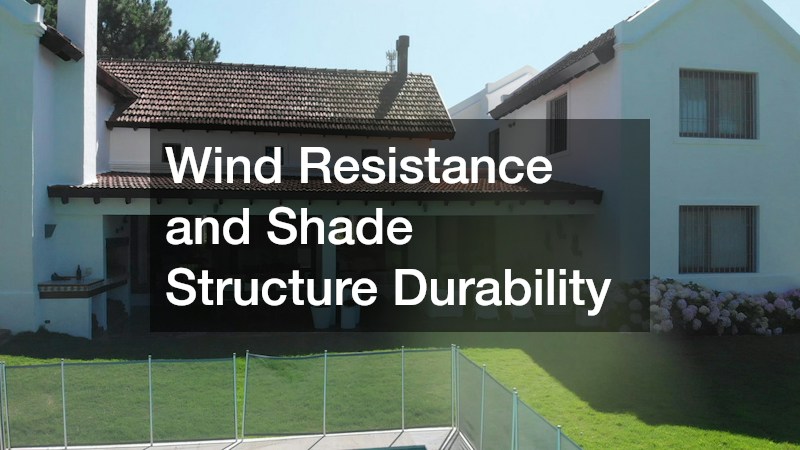
Retractable awnings offer a practical solution for homeowners who want shade on demand without leaving fabric exposed to damaging gusts around the clock. Unlike fixed pergola covers or stationary canopies, they can be rolled back at the first sign of a storm, sparing the material from wind loads that would otherwise stress the frame and seams over time. Choosing a design with reinforced arms and weather resistant fabric coatings extends the life of the structure considerably, especially in regions with unpredictable storm patterns. Look for models rated to withstand wind speeds of at least 20 to 30 mph before automatic retraction sensors kick in, since many higher-end units now include wind sensors that close the awning automatically when gusts exceed a safe threshold.
Frame material matters just as much as the fabric itself. Aluminum arms with a powder-coated finish resist corrosion far better than untreated steel, which can rust and weaken at the joints after repeated exposure to rain and humidity. Fabric choice deserves equal attention. Solution-dyed acrylic holds color and resists mildew better than printed polyester, and a water-repellent coating rated for UV exposure will typically outlast cheaper alternatives by several seasons, reducing how often the entire canopy needs replacing.
Fabric and Frame Material Selection for Shade Coverings
Not all awning fabrics are created equal, and the difference becomes obvious after a season or two of sun and rain exposure. Acrylic fabrics tend to resist fading and mildew better than vinyl in most climates, while frame materials like aluminum resist rust far better than untreated steel. Consumers should also consider water repellent coatings that shed rain quickly instead of allowing it to soak into the fabric and promote mold.
Working with a knowledgeable awning company helps homeowners match fabric and frame combinations to their specific regional weather patterns rather than guessing based on appearance alone. A good consultation will also cover proper retraction habits during heavy wind or snow events, which significantly extends the lifespan of the entire structure.
Corrosion Prevention for Metal Fencing and Gate Hardware
Saltwater air, heavy rainfall, and even lawn sprinklers can accelerate rust formation on metal yard features if protective coatings are not applied or maintained. Hinges, latches, and hardware components are often the first parts to fail because they experience constant friction and moisture exposure simultaneously. Galvanized or powder coated finishes provide a much stronger barrier against corrosion than standard painted steel, which tends to chip and expose bare metal over time.
Homeowners installing metal gates should ask specifically about coating warranties and recommended touch up procedures for scratches, since even small exposed areas can become rust starting points. Regular rinsing to remove salt or fertilizer residue also goes a long way toward preserving the finish in coastal or heavily landscaped properties.
Stone and Countertop Surfaces for Outdoor Living Spaces
Natural stone surfaces used in outdoor kitchens and bar areas face constant exposure to temperature swings, direct sunlight, and moisture, all of which can cause certain materials to crack, stain, or discolor faster than expected. Granite handles this environment well, resisting heat from grills and UV fading better than softer stones, which makes it a common choice for countertops near cooking stations. Marble and limestone, by contrast, are more vulnerable to etching from acidic spills like citrus juice or wine, and they can pit or soften after repeated freeze-thaw cycles in colder climates.
Porosity is a major factor here, since more porous stones absorb liquids and can harbor bacteria or develop stains from grease and food spills. Sandstone and some types of travertine, for example, can soak up moisture readily, leading to dark blotches or mildew growth if left untreated. A simple way to gauge porosity before installation is the water droplet test: if water absorbs into the stone within a few minutes rather than beading on the surface, it likely needs more frequent sealing. Sealing these surfaces periodically helps maintain both their appearance and their hygiene over years of outdoor use.
Most natural stone benefits from resealing every 12 to 18 months, though high-porosity materials may need attention twice a year in humid or rainy regions. Beyond sealing, choosing a honed or textured finish over a polished one can also reduce slip hazards and hide minor etching, making the surface more practical for everyday outdoor entertaining.
Granite countertops remain a popular choice for outdoor spaces because their dense composition resists heat, scratching, and weather related wear better than many alternative materials. Unlike wood or laminate surfaces, granite can handle direct sun exposure and temperature swings without warping, fading, or cracking, which makes it a practical option for kitchen islands, bar counters, and grilling stations built into a patio or covered outdoor room. Not all granite performs equally well outside, though.
Slabs with higher quartz and feldspar content tend to hold up better against freeze-thaw cycles in colder climates, while denser stones with low porosity resist staining from grease, food, and pollen. Sealing the surface annually is still recommended, since even durable granite has microscopic pores that can absorb moisture over time. Choosing a honed or leathered finish rather than a high polish can also reduce glare and minimize the appearance of water spots in sun exposed installations.
Honed finishes have a matte, smooth texture that hides scratches and etching better than polished stone, while leathered finishes add a slightly textured surface that improves grip when wet. Both options tend to show less wear from rain, sprinklers, and pool splash over time, making them a smart choice for spaces that see frequent moisture exposure.
Roof Coverings for Sheds, Gazebos, and Outdoor Structures
Any roofed structure in your yard, from a small storage shed to a full gazebo, needs materials rated for the specific weather patterns in your region. Asphalt shingles work fine in moderate climates but can degrade quickly under intense UV exposure or heavy hail, while metal roofing tends to perform better in areas with frequent storms or wildfire risk. Proper underlayment and flashing matter just as much as the visible roofing material, since poor installation allows water infiltration regardless of what surface material you choose.
Consulting with experienced roofers before finishing any outdoor structure ensures the pitch, ventilation, and material choices align with local building codes and weather demands. This step is especially important for structures near trees or in areas prone to heavy snow load, where the wrong roofing choice can lead to structural failure over time.
Every material in your yard is in a constant negotiation with the weather, and choosing the wrong one almost always costs more in repairs and replacements down the road. Take stock of your region’s specific challenges, whether that is intense sun, heavy rain, freeze thaw cycles, or salty coastal air, before making your next outdoor purchase. When in doubt, consult with specialists who work with these materials daily, since their firsthand experience can help you avoid costly mistakes. Your yard will reward that upfront research with years of reliable, good looking performance.