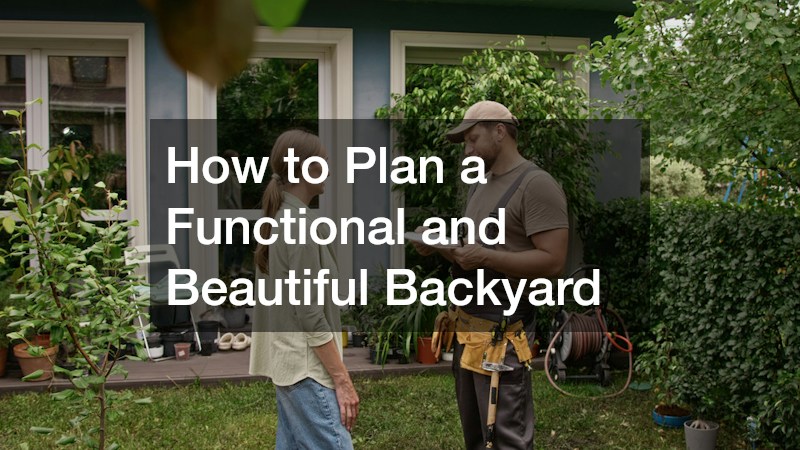
A well-designed backyard can become an extension of the home, providing space for relaxation, outdoor dining, gardening, and entertaining. However, creating an attractive outdoor environment requires more than choosing plants and patio furniture. Homeowners must consider the property’s layout, drainage, existing vegetation, maintenance requirements, and long-term goals before making significant improvements.
A successful plan balances appearance with practicality. Each feature should serve a purpose, complement the surrounding landscape, and fit within the available budget. By evaluating existing conditions, organizing activity areas, and prioritizing improvements, homeowners can create an outdoor space that remains enjoyable and manageable year-round.
Assess Your Backyard’s Layout and Identify Your Priorities
Evaluate How You Currently Use Your Outdoor Space
Before making changes, consider how your household uses the backyard and which activities you would like to accommodate. Some homeowners prioritize outdoor entertaining, while others need room for gardening, children’s activities, pets, or quiet relaxation. Identifying these priorities helps determine which improvements will provide the greatest value.
Walk around the property and note areas that feel cramped, remain unused, or create obstacles. An existing patio might be too small for gatherings, or a poorly positioned walkway might make it difficult to move between the house and garden. Addressing these issues early can prevent unnecessary spending on features that do not improve the overall experience.
Map Sunlight, Drainage, and Existing Features
Observe the yard at different times of day to understand where sunlight, shade, and wind are most noticeable. A sunny location may suit a vegetable garden, while a shaded corner might provide a comfortable place to sit during warmer months.
Pay attention to standing water, erosion, and uneven ground. These conditions can affect plant health and complicate construction projects. Mark existing trees, utility lines, fences, and structures on a basic property sketch so that proposed improvements account for these features.
Establish a Realistic Budget
Divide potential projects into essential repairs, functional improvements, and optional decorative upgrades. Correcting drainage problems or addressing hazardous vegetation may take priority over installing elaborate lighting or decorative planters.
Request estimates for major projects and reserve a portion of the budget for unexpected expenses. Completing improvements in stages can also make larger backyard renovations more manageable without sacrificing the overall design.
Create a Layout That Supports Different Outdoor Activities
Divide the Yard Into Functional Zones
A backyard feels more organized when each area has a clear purpose. Depending on the available space, homeowners might establish separate zones for dining, lounging, gardening, recreation, and storage.
These areas do not necessarily require walls or permanent dividers. Changes in paving materials, planting beds, outdoor rugs, and furniture placement can establish visual boundaries while preserving an open atmosphere.
For example, a dining table positioned near the house provides convenient access to the kitchen, while a seating area farther into the yard can create a quieter retreat. Keeping frequently used areas connected by clear pathways makes the entire property easier to navigate.
Choose Features That Fit the Available Space
Measure proposed features before purchasing materials or beginning construction. A large patio may look appealing in a photograph, but leave insufficient room for planting beds, lawn activities, or comfortable circulation in a smaller yard.
Consider the space required to pull out chairs, open gates, move gardening equipment, and maintain plants. Walkways should connect important areas without forcing people to squeeze between furniture or navigate around obstacles.
It is also helpful to plan around the home’s existing entrances. Direct access from the kitchen to an outdoor dining area, for instance, can make entertaining more convenient.
Allow Room for Future Changes
Household needs can change over time, so avoid filling every available area with permanent features. Flexible furniture, movable planters, and multipurpose seating can accommodate different activities as circumstances evolve.
Leaving some open space also gives homeowners the option to introduce additional landscaping or outdoor amenities later. A flexible layout is often more useful than a design that prioritizes appearance at the expense of everyday practicality.
Improve Landscape Health Before Adding New Features

Identify Vegetation That Needs Attention
Existing trees and plants contribute shade, privacy, and visual interest, but overgrown or unhealthy vegetation can interfere with planned improvements. Inspect mature trees for dead branches, visible decay, leaning trunks, and limbs that extend over roofs, walkways, or seating areas.
In some situations, tree removal may be necessary when a tree is severely damaged, structurally unstable, or unsuitable for its location. However, removal should not be the first choice automatically. A qualified professional can assess the tree’s condition and determine whether maintenance or another intervention is appropriate.
For trees that remain healthy, tree pruning services can help manage overgrowth, remove hazardous branches, and maintain adequate clearance around structures. Proper pruning can also improve a tree’s form, but excessive or poorly timed cutting may damage it.
Protect Existing Plants During Construction
Construction equipment, excavation, and heavy materials can damage roots and compact soil around established trees. Before installing patios, walkways, or foundations, identify the areas where roots may be vulnerable.
Whenever possible, establish protective zones around valuable vegetation and keep machinery and material storage outside them. If plants must be relocated, determine whether they can tolerate transplanting and choose an appropriate time to move them.
Select Plants for Local Conditions
Choose vegetation based on sunlight, soil conditions, drainage, climate, and mature size. Plants that thrive in the property’s natural conditions generally require less intervention than varieties that need constant watering or specialized care.
A layered planting scheme can combine ground cover, shrubs, ornamental grasses, and trees to create depth and seasonal interest. Consider flowering periods, fall foliage, and evergreen options to maintain visual appeal year-round.
Plan for Tree Safety and Long-Term Maintenance
Arrange Professional Assessments Before Major Projects
When mature trees stand near planned construction areas, professional advice can help homeowners understand potential risks. A qualified tree service provider can evaluate visible concerns, recommend appropriate maintenance, and explain how proposed work may affect nearby vegetation.
This assessment is particularly useful when planning structures, driveways, play areas, or outdoor seating beneath large branches. Addressing potential hazards before construction begins can reduce the risk of damage to completed improvements.
Prepare for Storm Damage and Unexpected Hazards
Strong winds, heavy snow, and severe storms can damage trees and create unsafe conditions. Broken limbs, uprooted trees, and severely leaning trunks may threaten buildings, vehicles, and people using the property.
Emergency tree removal services may be necessary when a tree has become dangerously unstable or fallen across an access route. Homeowners should keep people away from affected areas and contact qualified professionals rather than attempting to cut or move heavy limbs themselves. Downed trees near power lines should be treated as dangerous, and the utility provider should be contacted.
Preparing for these situations also means knowing whom to contact before an emergency occurs. Keeping relevant contact information accessible can help homeowners respond more efficiently when severe weather affects the property.
Make Routine Maintenance Part of the Design
A beautiful backyard requires ongoing care, so consider maintenance demands before choosing plants and structures. Large lawns may need frequent mowing, while dense planting beds can require regular weeding, pruning, and watering.
Keep access routes clear for lawn equipment and leave enough room to reach outdoor fixtures. A maintenance schedule covering seasonal cleanup, irrigation checks, and plant inspections can help prevent small problems from becoming expensive repairs.
Add Durable Surfaces for Better Access and Everyday Use
Choose Materials That Suit Your Property
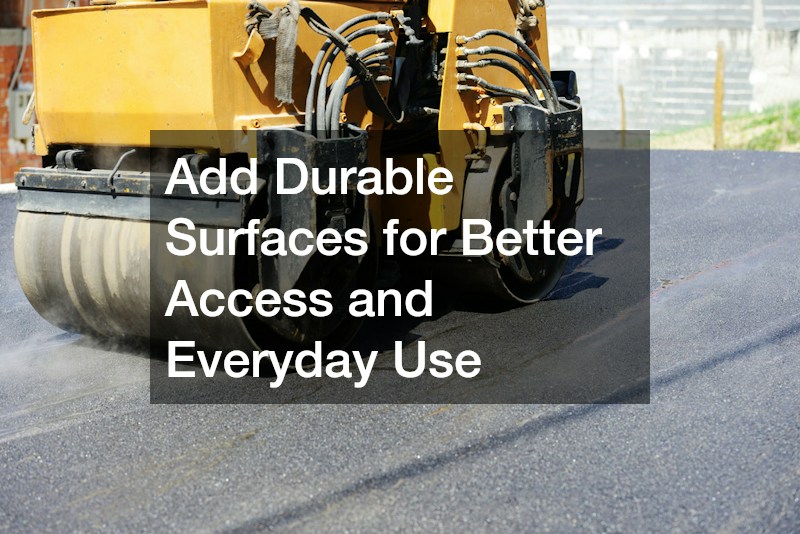
Hardscape features provide stable surfaces for walking, dining, parking, and recreation. Common options include concrete, pavers, gravel, and asphalt, each with different costs, maintenance needs, and visual characteristics.
When planning driveway paving, consider how the surface will connect with existing walkways, landscaping, and the home’s exterior. A consistent material palette can make the property look more cohesive, while appropriate edging helps separate paved areas from lawns and planting beds.
The right material depends on how the surface will be used, the local climate, drainage conditions, and the amount of maintenance the homeowner is willing to perform. Compare these factors before choosing a finish based solely on appearance.
Prepare Stable Foundations
Durable hardscaping begins below the visible surface. Soil conditions, excavation depth, base preparation, compaction, and drainage all influence how well a paved area performs over time.
A professional concrete service may be useful when installing permanent patios, walkways, equipment pads, or other concrete features. Discuss the intended use, surface finish, drainage requirements, and expected loads before work begins.
Proper installation also requires attention to expansion joints, curing, and local construction conditions. Cutting corners during preparation can contribute to cracking, uneven surfaces, or premature deterioration.
Manage Water Around Hardscape Features
Water should drain away from the home’s foundation and other vulnerable structures. Improper grading can cause runoff to collect beneath outdoor furniture, damage planting beds, or create slippery areas.
Before installing new surfaces, determine where rainwater will flow and whether additional drainage measures are necessary. Permeable materials may help manage runoff in suitable locations, but they still require appropriate base preparation and maintenance.
Design Comfortable Spaces for Relaxation and Entertaining
Arrange Seating Around Everyday Activities
Start by deciding how the outdoor living area will be used. A dining space should accommodate a table, chairs, and enough room for people to move comfortably. A conversation area benefits from seating arranged to encourage interaction rather than facing every chair in a different direction.
Choose furniture that fits the space and can withstand local weather conditions. Weather-resistant materials, washable cushions, and easy-to-clean surfaces can simplify maintenance.
Shade is another important consideration. Umbrellas, pergolas, and strategically placed trees can make seating areas more comfortable during hot weather. Positioning these features according to the sun’s movement can improve their usefulness throughout the day.
Introduce Features That Encourage Relaxation
Water features, attractive planting, subtle lighting, and comfortable seating can create a peaceful atmosphere. However, avoid adding so many decorative elements that the yard becomes difficult to maintain or navigate.
For homeowners seeking a more specialized retreat, spa additions may provide a dedicated place to relax. Before installing a hot tub or similar amenity, evaluate available space, privacy, electrical and plumbing requirements, drainage, and access for future maintenance.
Consider the feature’s placement in relation to the house and neighboring properties. Screening plants or suitable fencing can provide privacy, while nearby seating and lighting can make the area more functional.
Prepare for Different Seasons
Plan for changing weather by including features that extend the usefulness of outdoor spaces. Shade structures can reduce direct sunlight, while sheltered areas may offer protection from light rain. Weather-resistant storage helps protect cushions and accessories when they are not in use.
Outdoor lighting can improve visibility along pathways and around steps, seating areas, and entrances. Choose fixtures suited to outdoor conditions and direct light where needed, rather than creating unnecessary glare for household members or neighbors.
Choose Outdoor Structures That Improve Organization and Usability
Organize Equipment Before Adding Storage
Review the items currently stored in garages, basements, and outdoor areas. Lawn mowers, gardening tools, hoses, seasonal decorations, and recreational equipment may require different storage arrangements.
Storage sheds can provide a dedicated place for equipment, reducing clutter around patios and keeping frequently used supplies accessible. Choose a size that accommodates current needs while allowing room to retrieve items without having to move everything else.
Consider ventilation, weather resistance, shelving, door width, and security. Check local setback requirements, zoning rules, and permit obligations before choosing a location or installing a foundation.
Plan Structures Around Access and Comfort
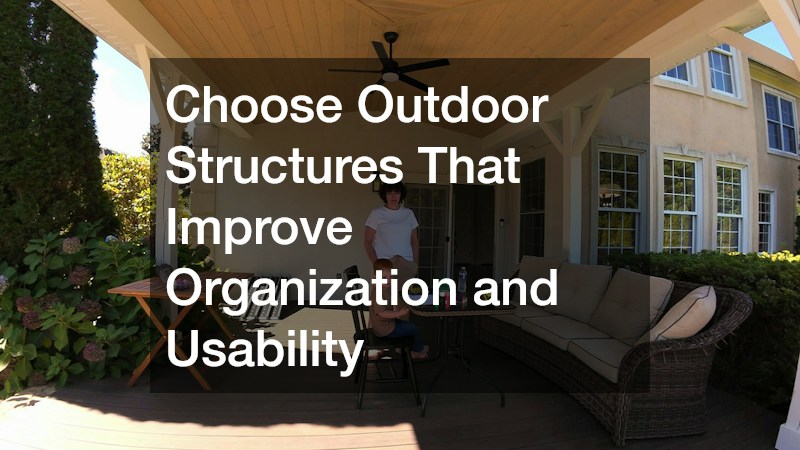
An outdoor deck can create a transition between indoor living areas and the yard. Before deciding on its size and location, consider door placement, changes in elevation, drainage, and how people will move between the deck and other outdoor zones.
A qualified deck builder can help evaluate structural requirements, material options, railings, stairs, and applicable building codes. Discuss how the deck will be used, whether it needs space for dining or lounging, and how its design will complement the home.
Materials should be selected based on durability, maintenance requirements, appearance, and local weather conditions. Leave adequate space around the structure for cleaning, inspections, and access to adjacent planting beds.
Improve Privacy, Boundaries, and Security
Confirm Property Boundaries Before Making Changes
Fences and other boundary features can improve privacy, contain pets, and create a more defined backyard layout. Before installing a new fence or modifying an existing one, confirm the property lines and review applicable local requirements.
Fence height, placement, visibility near driveways, and neighborhood restrictions may affect what can be installed. Checking these details beforehand helps prevent disputes and avoids the expense of relocating a completed structure.
Maintain Existing Fences When Possible
Inspect fence posts, rails, panels, gates, and fasteners for signs of deterioration. Loose posts, broken boards, rusted hardware, and misaligned gates can affect both appearance and functionality.
Timely fence repair may restore privacy and stability without requiring a complete replacement. Determine whether damage is limited to a few components or reflects broader problems with the structure’s foundation and materials.
If replacement is necessary, compare materials based on durability, upkeep, privacy, and appearance. Wood may offer a traditional look but require periodic maintenance, while other materials may provide different advantages depending on the setting.
Use Landscaping to Create Natural Privacy
Plants can soften hard boundaries and create separation between outdoor activity areas. Evergreen shrubs may provide year-round screening, while ornamental grasses and flowering plants can introduce texture and seasonal color.
Choose plants based on their mature height and width rather than their size at installation. Leave sufficient clearance for maintenance and avoid blocking gates, pathways, utility equipment, or visibility near vehicle entrances.
Create a Backyard That Remains Enjoyable for Years
Planning a functional and beautiful backyard starts with understanding the property’s limitations, identifying household priorities, and establishing a realistic budget. From landscape health and durable surfaces to comfortable gathering areas and practical storage, each improvement should contribute to a cohesive outdoor environment.
By addressing essential work first, selecting suitable materials, and coordinating projects carefully, homeowners can avoid unnecessary expenses and create spaces that are easier to maintain. Thoughtful planning also leaves room for future changes, allowing the backyard to evolve alongside the household’s needs while remaining an attractive and useful extension of the home.