Planning a backyard from the ground up offers homeowners the opportunity to create an outdoor space that truly reflects their needs and lifestyle. Rather than working around an existing layout, starting fresh allows for thoughtful decisions about how the space will be used, how it will look, and how it will function over time. A well-planned backyard can support relaxation, entertainment, and everyday activities while also improving the overall flow of the property. Without a clear plan, however, it is easy for the space to feel disjointed or underutilized.
Taking the time to evaluate goals, layout, and long-term maintenance needs can make a significant difference in the outcome of the project. From ground preparation and structural features to landscaping and accessibility, each element should be considered as part of a cohesive design. Planning ahead helps reduce the need for future adjustments and creates a more organized and efficient outdoor environment. With the right approach, a backyard can become a functional extension of the home that is both comfortable and easy to maintain over time.
Evaluating Site Conditions and Ground Preparation
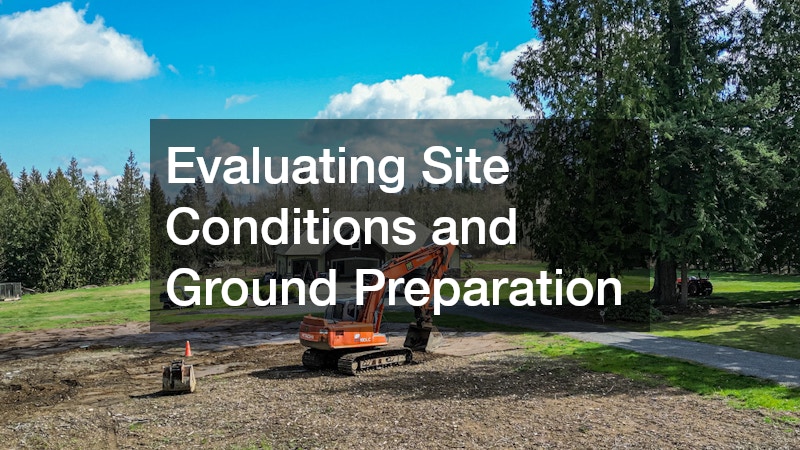
Before any construction or design elements are introduced, it is important to understand the condition of the space itself. Soil stability, grading, drainage patterns, and existing vegetation all play a role in how the backyard will function once completed. Ignoring these factors can lead to uneven surfaces, water pooling, or structural issues that may require costly corrections later. A thorough evaluation of the site helps identify any challenges early and allows for better planning throughout the project.
Working with an excavating business can help prepare the ground properly for future improvements. This may include leveling the area, improving drainage, removing unwanted materials, and creating a stable base for features such as patios or walkways. Proper excavation supports long-term durability and helps prevent issues that could affect the usability of the space. By addressing site conditions at the beginning of the project, homeowners can create a stronger foundation that supports all other elements of the backyard design.
Designing Covered Outdoor Structures
Adding covered structures to a backyard can significantly improve comfort and usability. Exposure to direct sunlight or unexpected weather can limit how often outdoor spaces are used, especially during peak seasons. Structures such as pergolas, pavilions, or gazebos provide shade and shelter, making it easier to enjoy the backyard throughout the day. These features also help define specific areas within the space, creating a more organized and intentional layout.
Working with a gazebo contractor can help bring these structures into the design in a way that fits both function and style. Proper placement and construction can improve airflow, provide consistent shade, and enhance the overall appearance of the backyard. Materials and design choices can be tailored to complement other elements, creating a cohesive look. By incorporating covered structures into the plan, homeowners can create outdoor spaces that remain comfortable and usable in a wider range of conditions.

Creating Defined Borders and Pathways
Clear borders and pathways are essential for creating structure and flow within a backyard. Without defined edges or walkways, outdoor spaces can feel scattered and difficult to navigate. Pathways guide movement from one area to another, while borders help separate different zones such as seating areas, gardens, or recreational spaces. This organization makes the backyard more functional and visually appealing, allowing each section to serve a clear purpose without overlapping or creating confusion.
Incorporating features like landscape edging can help establish these boundaries in a clean and durable way. Edging materials can define garden beds, outline walkways, and prevent grass or soil from spreading into unintended areas. This not only improves the appearance of the space but also reduces maintenance by keeping elements contained. Well-planned pathways combined with defined borders help create a backyard that feels organized, easy to navigate, and more enjoyable to use on a daily basis.
Choosing Low-Maintenance Ground Surfaces
Selecting the right ground surfaces is an important part of building a backyard that remains easy to maintain over time. Natural grass can require regular watering, mowing, and upkeep, which may not fit every homeowner’s schedule. Uneven or poorly maintained surfaces can also create challenges for walking, seating, or placing outdoor furniture. Choosing materials that balance durability with low maintenance can help support a more practical and comfortable outdoor environment.
Installing options such as artificial turf installation can provide a consistent and manageable surface that requires less ongoing care. Artificial turf offers a uniform appearance without the need for frequent maintenance, making it a suitable option for areas that see regular use. It can also help reduce issues related to mud, patchy grass, or uneven growth. By selecting ground surfaces that are designed for durability and ease of care, homeowners can create a backyard that remains functional and visually appealing with less effort over time.
Planning Recreational and Water Features
Recreational and water features can add both enjoyment and value to a backyard, turning it into a space that supports relaxation and activity. Features such as pools, play areas, or open spaces for recreation can help make the backyard more versatile and engaging. Without these elements, the space may feel limited in how it can be used, especially for families or those who enjoy spending time outdoors. Planning these features early helps confirm that they are integrated into the overall layout rather than added as an afterthought.
Working with a pool company can help homeowners design and install water features that align with their space and preferences. Proper placement, sizing, and safety considerations all play a role in creating a functional and enjoyable feature. Pools and similar elements can serve as focal points within the backyard while also providing a place for recreation and relaxation. By including these features in the initial planning process, homeowners can create a more dynamic outdoor environment that supports a variety of activities.

Establishing Privacy and Property Boundaries
Privacy is an important factor when designing a backyard, especially in neighborhoods where homes are located close together. Without clear boundaries, it can be difficult to fully relax or enjoy outdoor spaces without feeling exposed. Establishing privacy allows homeowners to create a more comfortable and personal environment while also defining the limits of the property. This helps reduce distractions from surrounding areas and supports a more controlled and peaceful outdoor experience.
Working with vinyl fencing solutions can provide a durable and low-maintenance way to improve privacy and establish boundaries. Fencing options can be selected to match the overall style of the backyard while offering consistent coverage and security. Proper installation helps create a clear separation between properties and can also improve safety for children and pets. By incorporating boundary features into the design, homeowners can create a backyard that feels more private, secure, and functional.
Installing Outdoor Electrical Systems
Electrical systems are an essential part of making a backyard functional, especially when incorporating lighting, appliances, or other powered features. Without proper electrical planning, it can be difficult to use outdoor spaces during evening hours or support certain amenities. Lighting, in particular, plays a key role in safety and usability, allowing pathways, seating areas, and entry points to remain visible after dark. Planning electrical components early helps integrate these features seamlessly into the design.
Working with an electrician can help confirm that all outdoor electrical installations are completed safely and effectively. This may include wiring for lighting, outlets for outdoor equipment, or connections for additional features such as fountains or cooking areas. Proper installation helps prevent hazards and supports reliable performance over time. By including electrical systems as part of the initial plan, homeowners can create a backyard that is both functional and adaptable to different uses throughout the day.
Clearing Overgrowth and Preparing Landscaping
Before adding new features to a backyard, it is important to clear any overgrowth and prepare the area for landscaping. Existing vegetation, debris, or uneven terrain can make it difficult to move forward with construction or design improvements. Without proper clearing, new elements may not be installed correctly, and the overall layout may feel cluttered or inconsistent. Preparing the space helps create a clean foundation for all future work.
Using services such as brush removal can help eliminate unwanted plants, debris, and obstacles that interfere with the design process. Clearing the area allows homeowners to better visualize the space and plan where new features will be placed. It also helps improve safety and accessibility during construction. By starting with a clean and prepared landscape, homeowners can build a backyard that feels more organized, functional, and ready for long-term use.
Managing Tools and Equipment for the Project
Planning a backyard from the ground up often involves a wide range of tools and materials, many of which may not be used regularly by homeowners. From digging and grading to assembling structures and installing features, having the right equipment is essential for completing each phase efficiently. Without proper tools, projects can take longer than expected and may not achieve the desired results. Managing equipment needs ahead of time helps streamline the process and reduces delays during construction.
Using services such as equipment rentals can provide access to specialized tools without the need for long-term ownership. This can include machinery for excavation, leveling, or material handling, depending on the scope of the project. Renting equipment allows homeowners to complete specific tasks more effectively while avoiding the cost and storage concerns of purchasing tools they may only use once. By planning equipment needs carefully, homeowners can keep their project organized and move through each stage with greater efficiency.

Organizing Waste Removal and Site Cleanup
Backyard projects often generate a significant amount of waste, including soil, debris, old materials, and packaging from new installations. Without a clear plan for handling this waste, the worksite can quickly become cluttered and difficult to manage. Accumulated debris can slow down progress, create safety hazards, and make it harder to maintain an organized workflow. Keeping the site clean and manageable is an important part of completing the project successfully.
Using options such as roll off dumpsters can help contain and remove waste efficiently throughout the project. These containers provide a designated space for debris, making it easier to keep the work area clear and organized. Regular disposal of materials helps maintain a safer environment and allows work to continue without unnecessary interruptions. By planning for waste removal in advance, homeowners can support a smoother construction process and keep their backyard project on track from start to finish.
Planning a backyard from the ground up involves a multifaceted approach that balances aesthetics with practicality. It requires thorough and careful consideration of both the design elements that create visual appeal and the functional aspects that ensure utility and convenience. The process begins with a comprehensive evaluation of the site conditions, such as soil quality, drainage, and sunlight exposure, which are crucial for making informed decisions. Preparing the land involves tasks such as leveling, amending soil, and installing necessary infrastructure for irrigation and utilities, which lay the foundation for future growth and development of the space.
Adding features such as patios, pathways, and garden beds should be approached thoughtfully to enhance usability and ensure that the layout facilitates easy movement and accessibility. The inclusion of structures like pergolas or gazebos not only adds visual interest but also provides functional spaces for relaxation and entertainment. The choice of plants, fixtures, and outdoor furniture needs to reflect personal style while remaining practical for the climate and intended use of the backyard. Maintaining organization throughout this process is crucial to avoid clutter and ensure each element serves its purpose effectively, contributing to a cohesive and harmonious outdoor environment.
Taking a thoughtful and organized approach is paramount to minimizing potential complications as the project progresses. By meticulously defining each space and strategically incorporating key features, homeowners can create distinct zones for various activities, such as dining, lounging, and gardening. Managing equipment and ensuring efficient cleanup are important aspects of the planning phase that should not be overlooked, as these choices impact the ease of maintenance and longevity of the backyard.