Most homeowners think about landscaping in terms of curb appeal, not structural risk. But where you plant trees, how you grade your soil, and where you place hardscaping can quietly set the stage for expensive repairs down the road. From foundation cracks to sewer backups, your yard’s layout has more influence over your home’s health than most people realize. Understanding these hidden connections now can save you thousands in emergency repairs later.
Tree Placement Near Your Foundation and Windows

Large trees planted too close to your house do more than drop leaves in your gutters. Their root systems can extend far underground, drawing moisture from soil in ways that cause uneven settling and foundation cracks. Overhanging branches also pose a direct threat during storms, and falling limbs are a leading cause of shattered glass and cracked frames.
If you live in a storm-prone region, it is worth considering impact windows as a protective upgrade, especially for windows positioned near mature trees. They are built to withstand debris impact far better than standard glass, reducing the odds of a costly emergency replacement after the next windstorm.
- Keep large trees at least 15 to 20 feet from the foundation
- Trim branches that hang over the roofline every year
- Watch for roots lifting nearby walkways or patios
- Consider impact windows for rooms facing mature trees
Standing Water and Poor Yard Drainage
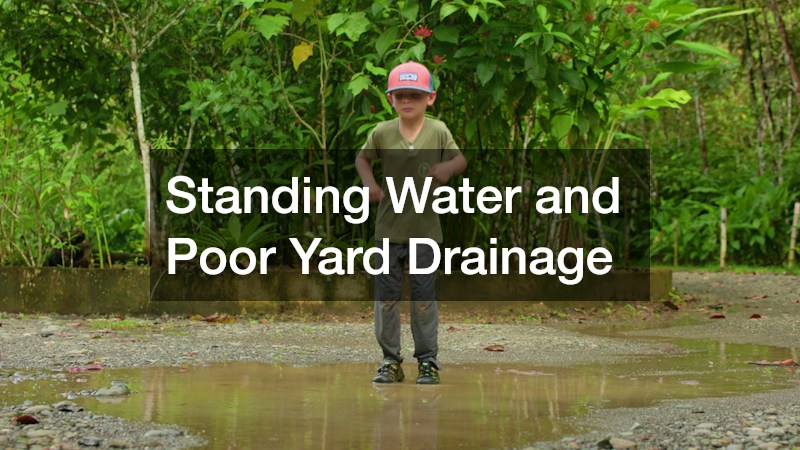
A garden layout that traps water near the house is one of the most common causes of slow, expensive damage. When soil slopes toward your foundation instead of away from it, water seeps into basements and crawl spaces, leading to mold, wood rot, and cracked concrete. Poor drainage can also create the damp, stagnant conditions that attract pests looking for a place to breed.
Stagnant puddles in flower beds or low-lying patches of lawn are a magnet for mosquitoes, which thrive in even small amounts of standing water. Many homeowners find that professional mosquito removal becomes a recurring seasonal expense once drainage problems go unaddressed. Fixing the grading issue at the source is usually far cheaper than repeatedly treating the symptom.
- Grade soil so it slopes away from the house at least 2 percent
- Add French drains in consistently soggy areas
- Clear gutters so downspouts do not pool water near beds
- Remove containers and low spots that collect rainwater
Garden Beds and Their Effect on Your Roofline
Raised garden beds and tall shrubs planted directly against the house can trap moisture against exterior walls and roof edges. Over time, this constant dampness weakens shingles, fascia boards, and flashing, accelerating wear well beyond a roof’s expected lifespan. Homeowners are often surprised to learn that landscaping decisions made years earlier are the real reason roofing companies get called out for premature deterioration.
Vines and climbing plants are especially problematic when allowed to grow onto the roof itself. They hold moisture against shingles and can work their way under flashing, creating leaks that are difficult to trace. Keeping a clear buffer zone between plantings and the roofline helps preserve the integrity of the materials above.
- Leave at least 12 to 18 inches between tall plants and exterior walls
- Trim vines before they reach the roofline
- Inspect flashing yearly if garden beds sit close to the house
- Replace mulch that holds excessive moisture against siding
Landscaping Choices That Strain Home Heating and Cooling
Where you plant trees and shrubs can directly affect how hard your home’s mechanical systems have to work. Outdoor air conditioning condensers need at least two to three feet of clearance on all sides to draw in air properly, yet many homeowners plant foundation shrubs without accounting for how large they’ll grow within a few seasons. Dense hedges or overgrown bushes blocking the unit restrict airflow, forcing the compressor to run longer and less efficiently to reach the same cooling output. This added strain doesn’t just show up on your energy bill. Restricted airflow causes the system to overheat, which accelerates wear on compressors and coils that are already expensive to replace. Over time, a unit that should last twelve to fifteen years may fail in half that time simply because it’s been suffocated by encroaching greenery. Tree placement matters just as much as shrub placement. Overhanging branches that drop leaves, seed pods, or sap onto the unit can clog condenser fins, further reducing efficiency and requiring more frequent professional cleanings. Planting fast-growing trees too close to the house can also shade ductwork or vents in ways that disrupt airflow patterns homeowners rarely think to check.
On the flip side, thoughtful shade placement can genuinely help. Deciduous trees positioned to shade the west- and south-facing sides of a house can lower indoor temperatures by several degrees during peak summer afternoons, easing the load on air conditioning systems. Once winter arrives and leaves drop, the same trees let sunlight stream through bare branches, reducing how often heating equipment needs to cycle on. The key is intentional placement, not overgrowth. Planting large shade trees too close to the house — generally less than fifteen to twenty feet from the foundation or unit — can backfire by trapping moisture, blocking airflow, and inviting root intrusion near ductwork or gas lines. Shrubs and hedges deserve the same scrutiny. Anything planted within two feet of an outdoor condenser restricts airflow, forcing the system to work harder and shortening its lifespan. Homeowners who neglect this spacing often find themselves calling heating companies for repairs long before the equipment should have needed attention. Overgrown foliage crowding a unit doesn’t just reduce efficiency in the short term. It can trap debris, leaves, and moisture against the coils, accelerating corrosion and mechanical strain. Left unchecked for a season or two, this kind of neglect can trigger the need for early air conditioning replacement, turning a simple pruning task into a major expense.
- Keep at least 2 to 3 feet of clearance around outdoor HVAC units so air can circulate freely and technicians can access the unit for repairs
- Trim shrubs before they grow into vents or coils, checking growth every few weeks during spring and summer when plants spread fastest
- Plant shade trees strategically on the sunniest side of the house, positioning them 15 to 20 feet away so roots don’t reach foundations or buried lines
- Avoid planting dense hedges directly against exterior walls, since they trap humidity and force cooling systems to work harder
- Schedule seasonal checks if plants grow quickly near equipment, ideally each spring and fall before extreme temperatures set in
Heavy Garden Structures and Garage Door Function
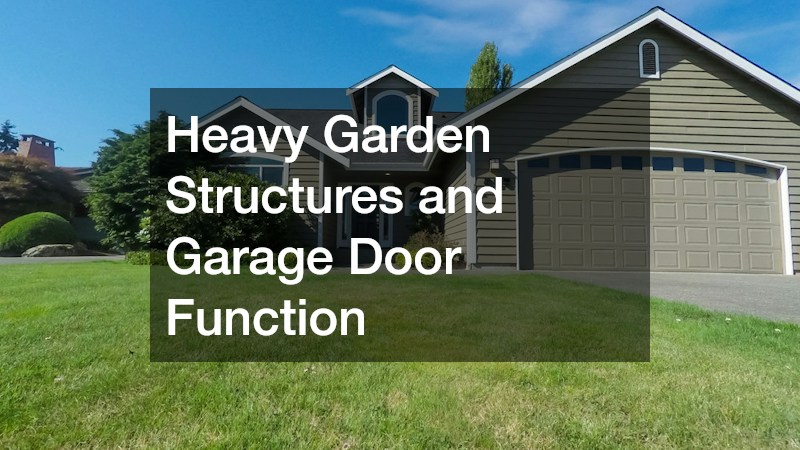
Homeowners often add trellises, arbors, or vine-covered structures near garages without considering how nearby growth affects the door itself. Vines that creep along the tracks or roots that shift the concrete slab beneath a garage door can throw the entire mechanism out of alignment. Once that happens, the added tension frequently leads to garage door spring replacement sooner than expected, since misaligned tracks put extra strain on the springs.
Soil settling under a garage apron, often worsened by nearby garden beds holding excess moisture, can also crack the slab and affect how smoothly the door operates. Keeping heavy plantings and irrigation lines away from the garage foundation helps preserve smooth, balanced operation for years longer.
- Keep climbing plants off garage tracks and hardware
- Avoid placing garden beds directly against the garage slab
- Check for slab cracks near the door twice a year
- Address misaligned tracks quickly to protect the springs
Deck and Patio Placement Over Utility Lines
Before adding a deck, patio, or fire pit, it is essential to know exactly what runs beneath your yard. Water lines, gas lines, and sewer connections are often shallower than people expect, and building directly on top of them can make future repairs extremely difficult and expensive. This is one of the main reasons experienced custom deck builders always request a utility locate before construction begins.
Skipping this step can mean tearing out an expensive structure just to access a line that needed servicing. A properly planned layout accounts for access points, leaving room to reach shutoffs or cleanouts without demolishing your outdoor living space. It is a small planning step that prevents a very large future headache.
- Always request a utility locate before digging or building
- Leave access panels or removable sections near known lines
- Avoid building directly over septic or sewer cleanouts
- Keep structural footings clear of marked utility easements
Garden Irrigation and Underground Sewer Line Damage
Sprinkler systems and garden irrigation lines are often installed without full consideration of what already lies underground. Roots from nearby plants are naturally drawn toward these moisture sources, and they frequently invade older sewer lines through tiny cracks or joints. Over time, this root intrusion is one of the most common causes of a clogged sewer line, leading to slow drains, gurgling pipes, and eventually backups inside the home.
Choosing plant varieties with less aggressive root systems near known sewer paths can prevent years of trouble. If your yard has mature trees planted directly above old clay or cast iron pipes, periodic camera inspections are a smart preventive measure. Catching root intrusion early is far less disruptive than dealing with a full sewer line excavation.
- Avoid planting willows, poplars, or other aggressive-root species near sewer lines
- Schedule a camera inspection if you notice slow drains yard-wide
- Keep irrigation heads away from known pipe routes
- Watch for unusually lush patches of grass, which can signal a leak below
Septic System Placement and Garden Layout Mistakes
Homes with septic systems face a unique set of landscaping challenges that many homeowners overlook. Planting a vegetable garden, adding a pond, or installing heavy hardscaping directly over the drain field can compact the soil and disrupt the system’s ability to properly filter wastewater. This kind of interference often shortens the lifespan of the entire system and leads to premature failure.
Regular septic tank pumping is still necessary regardless of what is planted nearby, but a poorly planned garden layout can make that routine maintenance far more difficult and costly. Heavy equipment needed for pumping requires clear access to the tank lid, and dense plantings or new structures built on top of it can turn a routine service call into an excavation project. Mapping your septic system before any major landscaping project is one of the simplest ways to avoid this.
- Keep the drain field free of trees, shrubs, and deep-rooted plants
- Mark tank and drain field boundaries before starting new garden beds
- Leave clear equipment access for routine service
- Avoid parking or heavy structures over the tank area
Slope Grading and the Risk of Premature Roof Wear

It might seem unrelated, but the slope of your yard can influence the condition of your roof over time. Poor grading that channels rainwater toward the house increases humidity around the foundation and lower walls, and that excess moisture can wick upward, affecting attic ventilation and accelerating shingle deterioration from below. In more severe cases, chronic moisture problems tied to bad grading contribute to the kind of widespread damage that pushes homeowners into an early roof replacement.
While regrading a yard is a bigger project than most people want to tackle, even small adjustments to slope and drainage near the house can meaningfully extend the life of the roof above it. Addressing water flow at ground level protects your investment from the foundation all the way up to the shingles.
- Regrade problem areas so water flows away from the home
- Improve attic ventilation if moisture problems persist
- Watch for curling or discolored shingles near low-lying yard areas
- Combine drainage fixes with routine roof inspections
Your garden layout is never just about appearance. Every planting decision, grading choice, and hardscape placement has the potential to protect your home or quietly set up expensive repairs years down the line. Before your next landscaping project, take time to map utilities, consider drainage, and think through how new features interact with existing systems. A little planning now can spare you from major, avoidable repair bills later.