Every year, storm season catches homeowners off guard, not because warnings weren’t issued, but because the actual preparation got pushed to “next weekend” one too many times. The truth is that most storm damage isn’t caused by the storm itself; it’s caused by small vulnerabilities that had months to be fixed and never were.
This checklist walks through the systems, structures, and outdoor spaces that quietly determine whether your property sails through a storm or ends up on a repair company’s schedule for weeks. Read it now, while the sky is still clear, so you’re not making these decisions in a panic later.
Inspect Your Roof Before the First Warning Sounds

Your roof is your home’s first line of defense, and it’s also the component most homeowners forget to check until water is already dripping into the attic. Loose shingles, cracked flashing, and worn seals around vents are all small issues that turn into major leaks under sustained wind and rain. A once-a-year inspection, ideally in spring before storm activity ramps up, can catch these problems while they’re still cheap and easy to fix.
Many homeowners wait until after a storm to call for help, but experienced roofing contractors will tell you that pre-season inspections save far more money than post-storm repairs. A professional can spot subtle signs of wear that are invisible from the ground, including granule loss on shingles or soft spots in the decking. Scheduling this appointment early also means you’re not stuck waiting weeks for a callback when everyone else in the neighborhood has the same idea after a storm rolls through.
- Check for missing, curling, or cracked shingles from the ground with binoculars
- Look at attic ceilings for water stains after any heavy rain
- Confirm flashing around chimneys and skylights is sealed tight
- Clear debris off the roof surface, including branches and leaf buildup
- Ask about warranty coverage before storm season, not after damage occurs
Clear and Test Your Gutters and Downspouts
Gutters do more than keep water off your porch; they direct thousands of gallons away from your foundation during a single storm. When they’re clogged with leaves and debris, that water has nowhere to go except over the edge and straight down into your soil, siding, or basement. This is one of the most overlooked parts of storm prep because gutters are easy to ignore until they’re visibly overflowing.
If your gutters are sagging, pulling away from the fascia, or leaking at the seams, it’s worth getting a professional opinion before the season starts. Many gutter companies offer seasonal cleaning and inspection packages that catch small issues like loose brackets or minor rust before they become a bigger structural problem. A properly functioning system should move water fast and far from your home’s foundation, ideally at least three to four feet away.
- Clean gutters twice a year at minimum, more if you have overhanging trees
- Check downspout extensions to ensure water drains away from the foundation
- Look for water stains or streaking on siding below gutter lines
- Test water flow with a hose if you haven’t had rain in a while
- Consider gutter guards if leaf buildup is a recurring problem
Reinforce Outdoor Living Spaces Against Wind Damage
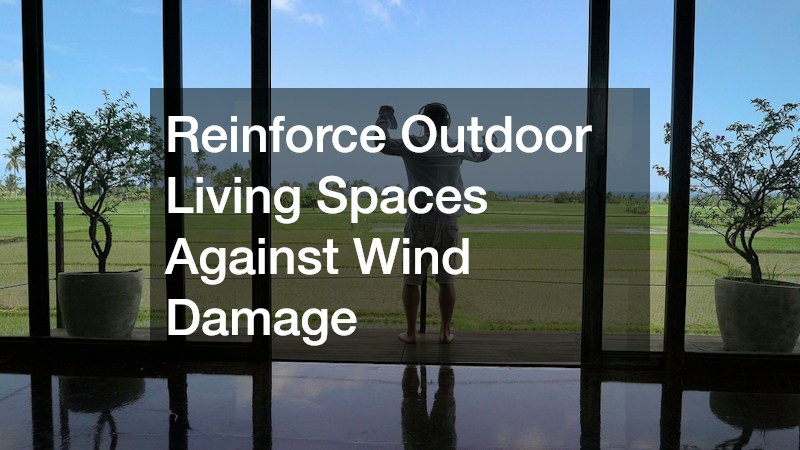
Porches, patios, and other outdoor structures take a beating during storm season, and screened enclosures are especially vulnerable because their mesh panels can tear or their frames can bend under strong gusts. If your screened porch enclosures haven’t been checked in a few years, small tears or loose frame connections could turn into total panel loss during a serious windstorm. Reinforcing these structures ahead of time is far cheaper than replacing them after the fact.
Beyond the screening itself, check the fasteners and support beams that anchor the structure to your home. A loose connection point can allow the entire enclosure to shift or lift during high winds, which sometimes causes damage to the roofline it’s attached to. Walking the perimeter and testing for give in the frame takes ten minutes and can prevent a much longer conversation with your insurance company later.
- Inspect screen mesh for tears, sagging, or brittle spots
- Check all frame connections and anchor points for looseness
- Remove furniture or planters that could become projectiles in high wind
- Look for rust on metal framing, which weakens structural integrity over time
- Confirm the enclosure’s drainage system isn’t blocked by debris
Trim Trees and Clear Vegetation Around Your Property
Falling branches and uprooted trees cause a huge share of storm damage every year, and yet tree maintenance is one of the last things homeowners think about until a limb is already through the roof. Dead branches, overgrown limbs near power lines, and trees leaning toward the house are all warning signs that should be addressed well before storm season arrives. A short walk around your property with a critical eye can reveal risks you’ve been walking past for months.
For larger properties, overgrown lots, or areas with dense brush, professional land clearing can reduce fire and wind risk while also improving drainage around your home. Removing dead trees, thinning overgrown areas, and clearing debris piles gives storms fewer things to turn into hazards. This is especially important for rural properties or homes bordering wooded lots where fallen trees are a recurring problem after every major storm.
- Trim branches that hang within ten feet of your roofline
- Remove dead or diseased trees before they become storm hazards
- Clear brush piles and debris that could fuel wind-driven damage
- Check for trees leaning toward power lines or structures
- Schedule professional removal for anything too large to handle safely
Prepare a Safe Room or Underground Shelter

If you live in an area prone to tornadoes, having a designated safe space isn’t optional; it’s a life-saving necessity. A properly built tornado shelter, whether it’s a reinforced interior room, a basement space, or a dedicated underground unit, can be the difference between riding out a storm safely and facing a worst-case scenario. Many homeowners assume a basement alone is enough, but not all basements offer the same level of protection depending on your home’s construction and location.
Stocking your shelter with essentials before storm season starts means you’re not scrambling during an active warning. Water, a flashlight, a battery-powered radio, and a first aid kit should all be within reach, along with copies of important documents in a waterproof container. Testing your family’s route to the shelter, especially at night, ensures everyone knows exactly what to do when seconds matter.
- Stock at least three days of water and non-perishable food
- Keep a battery-powered or hand-crank radio for weather updates during power outages
- Store flashlights, batteries, and a basic first aid kit inside the shelter
- Practice a drill with your household so the route becomes automatic
- Check that the shelter door and ventilation are in good working order
Assess Your Driveway and Outdoor Surfaces for Drainage
Standing water on your driveway or walkways isn’t just an inconvenience; it’s a sign that your property’s drainage isn’t handling storm runoff the way it should. Cracked or uneven surfaces allow water to pool and seep beneath the pavement, which accelerates deterioration and can eventually undermine the foundation of your driveway or garage. Catching these issues before a major storm hits gives you time to fix them properly instead of patching them under pressure.
If your driveway already shows significant cracking, potholes, or sunken sections, it may be time to consult a contractor who specializes in asphalt paving rather than attempting a temporary patch. A well-graded, properly sealed driveway sheds water efficiently and holds up far better against repeated heavy rain. Addressing this before storm season also reduces the risk of water finding its way toward your home’s foundation instead of away from it.
- Look for pooling water after rain, which signals poor grading
- Seal small cracks before they widen under freeze-thaw or heavy rain cycles
- Check that driveway slope directs water away from the garage and home
- Watch for potholes that can deepen quickly during repeated storms
- Get a professional grading assessment if pooling persists near the foundation
Secure Fencing and Entry Points Around Your Yard

Fences and gates take a surprising amount of punishment during high winds, especially if they’re older, poorly anchored, or made from materials that warp or rust over time. A fence that comes loose during a storm can become a hazard not just to your property but to neighboring homes and passing vehicles. Checking posts, hinges, and latches before the season starts is a quick way to prevent an expensive and dangerous failure later.
For properties with more substantial perimeter security, metal gates offer durability that wood or vinyl often can’t match, but they still need regular maintenance to perform well in a storm. Rust at hinge points, loose bolts, or misaligned tracks on sliding gates can all cause failures under wind pressure. A quick lubrication and tightening session each season keeps these systems functioning even when conditions turn severe.
- Check fence posts for looseness or rot at the base
- Inspect hinges and latches on all gates for rust or wear
- Tighten bolts and hardware on metal components before storm season
- Trim vegetation growing into or around fence lines
- Replace warped or damaged panels rather than waiting for full failure
Inspect Retractable Shades and Awnings for Storm Readiness
Awnings add valuable shade and curb appeal, but they’re also one of the first things to suffer damage in high wind since their extended fabric and framing catch gusts like a sail. If yours doesn’t retract fully or has visible tears in the fabric, it’s at serious risk of tearing away or bending its supports during a severe storm. Testing the retraction mechanism regularly ensures it will actually work when a warning is issued, not just when the weather is calm.
Reaching out to an established awning company for a pre-season checkup can catch mechanical issues that aren’t obvious during everyday use, like worn gears or weakened mounting brackets. Many models are rated for specific wind speeds, and knowing your unit’s limits helps you decide when to retract manually ahead of an approaching storm. A well-maintained awning can last for years, but only if it’s retracted and secured before, not during, high winds.
- Test the retraction mechanism monthly to confirm smooth operation
- Inspect fabric for tears, fraying, or UV damage that weakens material
- Check mounting brackets and bolts for rust or looseness
- Know your awning’s wind rating and retract it well before storms arrive
- Retract and secure awnings any time a storm watch is issued, not just a warning
Protect Interior Spaces That Are Easy to Overlook
While most storm prep focuses on the exterior, interior spaces can suffer just as much damage from leaks, power surges, or falling debris that breaches the roof or windows. Kitchens in particular often take unexpected hits, since water intrusion near ceilings or upper cabinets can warp surfaces and cause long-term damage that isn’t visible right away. It’s worth checking seals around windows near food prep areas and confirming that appliances are protected by surge protectors before a major storm.
If a previous storm has already left water stains, warping, or cracks on your kitchen countertops, it’s a sign that moisture found a way in and likely caused damage beyond what’s visible on the surface. Addressing this early, rather than waiting for a full renovation later, can prevent mold growth and further structural issues in cabinetry below. Taking photos of any existing damage now also makes future insurance claims far easier to document accurately.
- Check window and door seals near kitchens and living spaces for gaps
- Unplug or surge-protect major appliances before a storm arrives
- Photograph existing damage to countertops or cabinetry for insurance records
- Move valuable or electronic items away from windows during storm watches
- Address minor water stains quickly before they spread to structural elements
Conclusion
Storm season doesn’t wait for anyone to feel ready, which is exactly why this checklist works best when it’s tackled before the first warning ever hits your phone. Start with the highest-risk items, your roof, gutters, and trees, then work through the rest of your property over the next few weekends. A little time spent now, checking systems and calling in professionals where needed, is far less costly than the repairs and stress that come from discovering these problems mid-storm.